

May 20, 2026
Find Reliable Windshield Replacement Services Near Me
For Ontario businesses, understanding commercial wiring types and standards is critical to achieving safe, reliable, and future-ready electrical systems. These practical insights help decision-makers protect their investments, ensure compliance, and select the most effective solutions for every project.
- Prioritize code compliance—every commercial wiring project must follow the Ontario Electrical Safety Code and receive regular inspections to ensure protection, durability, and legal operation.
- Choose wiring matched to your environment by assessing building type, occupancy, and exposure risks—select EMT for accessible corridors, RMC for outdoor or high-traffic areas, and MC cable for flexible or wet locations.
- Leverage three-phase power in commercial installations to support higher loads, efficient energy use, and stable operation for everything from lighting to heavy machinery.
- Partner with licensed electricians to guarantee work meets current code, passes inspections, and protects your eligibility for insurance coverage—cutting corners risks costly failures or legal setbacks.
- Optimize for longevity and flexibility with solutions like busways and cable trays, which simplify future upgrades and minimize downtime during renovations or expansions.
- Stay up-to-date with evolving codes and modern wiring materials, such as fire-rated cables and prefabricated assemblies, to support safety, energy efficiency, and rapid installation.
- Document every step of your project with accurate plans, as-builts, and product certifications—clear records streamline approvals and support maintenance for years to come.
- Make safety and accountability non-negotiable by scheduling regular maintenance and preventative checks—this proactive approach ensures your business remains protected, insurable, and compliant.
Choose commercial wiring that keeps your operations running safely and efficiently—explore the full article to make informed, confident decisions for your next project.
Windshield Replacement Services: Ensuring Safety, Reliability, and Expert Care
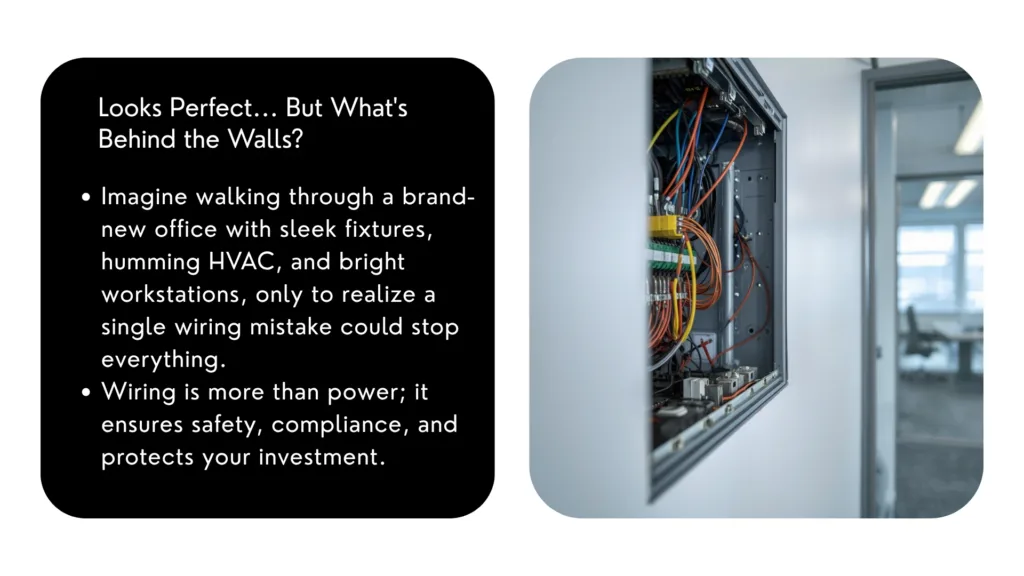
Imagine walking through a brand-new office—sleek fixtures, humming HVAC, bright workstations—only to learn that one hidden wiring mistake could bring the whole operation to a halt. Understanding the windshield replacement cost can feel just as critical when planning for unexpected repairs in any investment.
In Ontario’s commercial spaces, the right wiring isn’t just about having power—it’s about safety, compliance, and protecting your investment. Finding solutions that are reliable and windshield replacement cheap without compromising quality mirrors the balance businesses need in choosing wiring options.
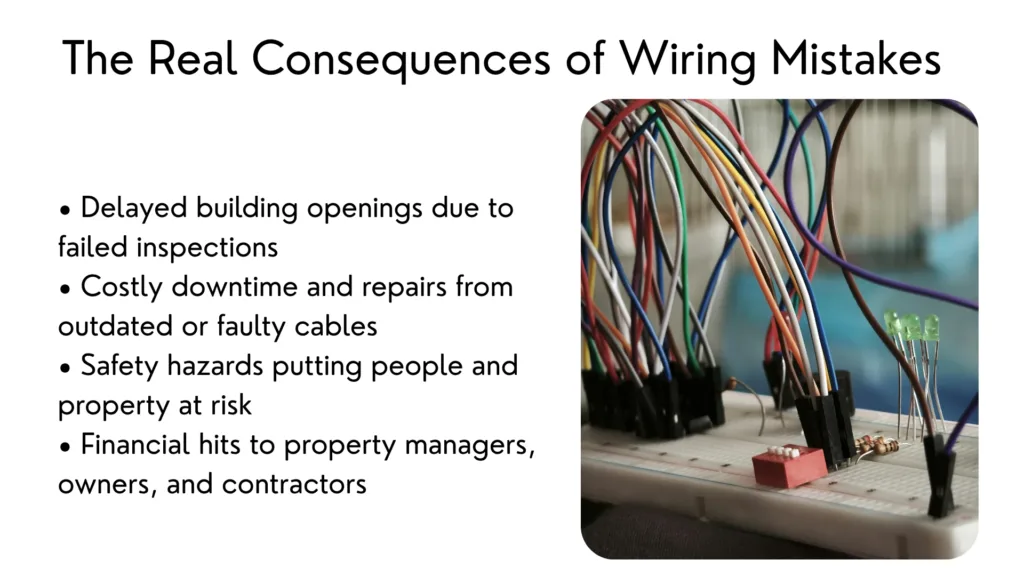
A single outdated cable choice, a shortcut on conduit, or ignoring inspection requirements can mean delayed openings, failed inspections, or costly downtime—issues that hit property managers, building owners, and contractors exactly where it hurts.
So how do leading businesses and builders make sure they get it right?
They insist on wiring solutions that deliver:
- Code compliance for every circuit and connection—no guesswork, no shortcuts
- Durability and flexibility, built for today’s needs and tomorrow’s upgrades
- Reliable safety that passes the most demanding inspections, every single time
Whether you’re fitting out a retail corridor, powering a busy distribution center, or ensuring life-safety systems in a school or hospital, Ontario’s strict wiring standards and practices are designed to shield your people, your property, and your bottom line.
Staying informed on wiring types and commercial standards isn’t just a technical requirement—it’s a competitive edge. New trends in modular designs, three-phase power, and smarter, more sustainable materials move fast, and your wiring contractor should always be two steps ahead.
In this guide, you’ll discover:
- The core principles every Ontario commercial site must follow
- The most common wiring types—and why some are non-negotiable in certain settings
- What the latest codes and standards mean for real-world projects
- How professional electricians keep your operation safe, insurable, and future-ready
Electrical integrity is invisible but irreplaceable—just ask any business whose lights once went out at the worst possible moment.
Ready for an inside look at the power, precision, and protection built into every commercial job?
Let’s unpack what sets commercial wiring apart from the very first wire pull.
Understanding Commercial Wiring: Core Principles
Commercial wiring refers to the systems and components that power everything from bustling offices to massive warehouses.
Unlike residential wiring, these installations are designed for higher voltages, larger loads, and more complex safety demands.
You’ll find commercial wiring behind the scenes in:
- Retail stores
- Office buildings
- Hotels and restaurants
- Schools, hospitals, and government facilities
- Factories and distribution centers
Safety, Compliance, and Reliability Aren’t Optional
Every wire, conduit, and panel in a commercial setting must meet strict Ontario Electrical Safety Code requirements.
Why? Because failure isn’t just inconvenient—it’s a risk to people, productivity, and property.
Code compliance, durability, and regular inspection are non-negotiable for all Ontario business owners.
- Shock and fire protection is engineered into every system.
- Equipment must handle daily wear, future upgrades, and long hours.
Commercial Loads and Three-Phase Power Explained
Most residential buildings use single-phase power—suitable for homes, not heavy-duty business environments.
Commercial spaces often depend on three-phase power to:
- Deliver more stable, efficient energy for large equipment
- Support lighting, HVAC, IT systems, and heavy machinery at once
- Minimize voltage drop across longer cable runs
Picture this: an office tower drawing enough power to run hundreds of computers and dozens of elevators—all on robust, professionally installed circuits.
The Licensed Electrician Advantage
Only licensed, experienced electricians can guarantee installations are safe, scalable, and legally compliant.
- Ontario’s ESA standards protect against shortcuts and improper wiring.
- Documentation and timely inspections are mandatory for insurance and occupancy.
Trying to cut corners with unlicensed work can lead to failed inspections, costly rework, or liability risks that jeopardize your entire operation.
Durability and Future-Proofing Matter
Great commercial wiring isn’t just about today’s needs.
Selecting the right materials and methods—such as EMT conduit for office runs or MC cable in mixed-use spaces—means systems adapt as your business grows, technology evolves, or regulations change.
Properly designed and installed wiring is an investment in safety, uptime, and peace of mind.
If you own, manage, or build in Ontario, remember: Commercial wiring is built to handle more—so always demand more from your wiring contractor.
Overview of Common Commercial Wiring Types
Commercial wiring comes in many types, each designed to meet specific safety and performance standards. Choosing the right solution is as important as selecting reliable Windshield Replacement Services, ensuring durability and compliance. Trusted professionals in both fields prioritize precision, safety, and long-term reliability.
Why Wiring Types Matter in Commercial Projects
Choosing the right commercial wiring isn’t just technical—it’s the backbone of safety, reliability, and compliance for your business.
Ontario’s strict codes mean every choice must balance protection, flexibility, and code compliance.
Picture this: a retail space with exposed, high-traffic areas. Using the wrong wiring can risk downtime, expensive repairs, or even safety violations.
—
Conduit Systems: The Industry Workhorse
Conduit systems remain the backbone for most commercial installations due to their durability, neatness, and adaptability.
Here’s how Ontario projects typically use them:
- EMT (Electrical Metallic Tubing):
- Lightweight, easy to install, and ideal for interiors with routine access needs
- Preferred for offices and corridors where adaptations are common
- RMC (Rigid Metal Conduit):
- Heavy-duty and corrosion-resistant
- The top choice for outdoor runs and hazardous environments (think factory floors or loading docks)
- IMC (Intermediate Metallic Conduit):
- A cost-effective compromise—stronger than EMT, lighter than RMC
- Works well in both indoor and exterior settings
- FMC (Flexible Metal Conduit):
- Specializes in vibration-prone or moving equipment connections
- Picture cable runs to rooftop HVAC units in a busy warehouse
“Selecting the correct conduit is the difference between costly rework and future-ready infrastructure.”
—
Armored & Sheathed Cables: Adapting to Environments
Not every commercial zone allows for rigid ductwork—here’s where armored and sheathed cables shine:
- MC (Metal-Clad Cable):
- Handles branch circuits and feeders
- Approved for wet or dry locations—think underground garages or busy kitchens
- AC (Armored Cable):
- Known for extra durability in exposed, underground routes
- A go-to for concrete ceilings or older, open-structure buildings
- MI (Mineral-Insulated Cable):
- Typically found in life-safety and emergency circuits
- Delivers fire resistance for critical systems in hospitals or high-rise towers
- NM (Non-Metallic Sheathed, “Romex”):
- Limited in commercial use but allowed in dry, protected spaces
- More common in residential than retail or office applications
- UF (Underground Feeder):
- Designed for direct burial and outdoor transitions
- Essential for landscape lighting or detached structures
—
Busways, Cable Trays & Conductor Choices
For large facilities or dynamic offices, busways and cable trays offer flexible, modular power distribution.
- Busways/Cable Trays:
- Support easy power rerouting as spaces evolve
- Minimize downtime during renovations
- THHN/THWN Conductors (thermoplastic, heat- and water-resistant):
- Ontario’s standard for commercial branch circuits
- XHHW Conductors:
- Deliver high heat and water resistance—think swimming pools or sauna areas
- Copper vs. Aluminum:
- Copper—preferred for smaller branch circuits due to reliability
- Aluminum—chosen for large feeders to save cost while meeting code
—
Picture a modern office, data center, or retail hub: the right wiring type protects investments, supports safety, and keeps operations running smoothly. In Ontario, partnering with a licensed contractor ensures code compliance and picks the best wiring method for now—and the future.
Wiring Selection: Factors and Environments
Selecting the right wiring depends on the environment, load requirements, and long-term durability—just like choosing trusted windshield replacement Safelite services ensures quality and safety. Cost considerations are important, much like evaluating the windshield replacement price before committing to a provider. In both cases, careful planning and professional guidance prevent future problems and maintain reliability.
Environmental and Building Considerations
Choosing the right wiring for a commercial space starts with your environment.
- Building type and size: A retail shop’s needs are vastly different from a warehouse or healthcare facility.
- Occupancy load and expansion: Wiring must match not only current demands but also future growth—think scalable infrastructure that won’t require a total overhaul in two years.
- Exposure risks: If your operation faces moisture, temperature swings, or chemicals (picture a brewery or a swimming pool facility), expect wiring built for those hazards.
- Accessibility and maintenance: Every junction box and cable route should allow for quick inspections and repairs—imagine troubleshooting under the pressure of a ticking clock.
“Your building’s environment is the first and most important filter for all wiring choices.”
Protection and Compliance
Physical protection is critical, especially in busy or high-risk settings.
- Use RMC (Rigid Metal Conduit) outdoors or in high-traffic zones for unmatched durability.
- EMT (Electrical Metallic Tubing) is ideal for indoor, accessible paths where changes are frequent.
- FMC (Flexible Metal Conduit) shines for connecting machinery that vibrates or shifts.
Choose based on:
- Is the area public or restricted?
- Will the wiring face constant movement or possible impact?
- Are fire, smoke, or life-safety systems involved—such as mineral-insulated cable for emergency lighting?
Fire-stopping and smoke-barrier penetration are now standard code requirements across Ontario, protecting not only the building but every person inside.
“Prioritize compliance: Missing one step can mean failed inspections, delays, or major fines.”
Installation Efficiency and Longevity
Seek solutions that protect both your timeline and your budget.
- Busways and cable trays provide quick, scalable power for open offices or factories—think: add or move workstations without rewiring the whole floor.
- Prefabricated wiring systems save time, minimize disruption, and support renovation schedules.
- For specialized environments—such as manufacturing lines or data centers—THHN/THWN or XHHW conductors inside conduit deliver long-term reliability.
Consider:
- Can the system be modified easily for future changes?
- How much regular maintenance will it require?
- Will the upfront investment pay off with lower repairs or faster upgrades?
“Every hour saved in installation can mean an extra day your business stays operational.”
Smart wiring selection in commercial projects directly impacts safety, longevity, and operational cost. The right choices today mean fewer headaches tomorrow—invest in quality, compliance, and flexibility to keep your business powered the right way.

Windshield Replacement Services: Codes, Standards, and Legal Framework
Compliance with codes, standards, and legal requirements is critical for safe and reliable commercial wiring. Following proper regulations ensures installations meet inspection criteria and protect both property and people. Staying informed about evolving standards helps businesses avoid costly errors and maintain long-term operational safety.
National and Provincial Codes
Every commercial wiring project in Ontario must follow strict codes for safety and reliability.
The National Electrical Code (NEC/NFPA 70) guides much of North America, detailing everything from materials to installation processes. In Ontario, the Ontario Electrical Safety Code (OESC) is law—unique requirements here keep workplaces compliant and safe.
For day-to-day wiring decisions, key NEC articles—Articles 300 to 398—explain rules for conduits, cable types, and raceway uses. For example:
- Article 300: General wiring methods
- Article 330: Metal-clad cables (MC)
- Article 358: EMT conduit
- Article 392: Cable trays
Local enforcement comes from the Authority Having Jurisdiction (AHJ). Inspections, permits, and documentation are not optional.
Don’t miss code updates: both NEC and OESC change every 3 years—using outdated standards is a compliance risk.
“Ontario code compliance is your shield against downtime, fines, and failed inspections.”
Specialized Standards
Some projects need even tighter standards:
- NFPA 79: Mandatory for industrial control panels, with strict guidelines for wire sizing, conduit, and cable trays in process-intensive facilities.
- NECA/ANSI Standards: Set top-tier benchmarks for quality workmanship, ensuring crews follow the safest and most efficient installation methods.
- OSHA requirements impact all workplace wiring—covering everything from circuit protection to safe tool use.
“Show your clients cable trays following NECA/ANSI specs—quality and safety in every detail.”
Documentation and Inspection
Paperwork is just as important as the wiring behind the wall.
All commercial projects must include:
- Detailed electrical plans
- As-built drawings capturing every change
- Manufacturer cut sheets and verification docs
Inspections happen at key stages; the AHJ checks installations before walls close and at final completion. Common pitfalls include:
- Missing documents
- Incorrectly installed components
- Unlicensed or improperly supervised work
Hiring licensed electricians is not just a code requirement—it’s your guarantee against costly errors and legal issues.
“When plans, permits, and as-builts line up, projects pass inspections the first time.”
Staying code-compliant in Ontario means regular updates, clear documentation, and licensed professionals at every stage. That approach keeps your project safe, legal, and future-ready, giving you peace of mind and lasting value.
Emerging Trends and Innovations in Commercial Wiring
Commercial wiring is evolving with smarter, more sustainable materials and modular designs that simplify installation and upgrades. Innovations like advanced three-phase systems and flexible conduits improve efficiency and safety for modern buildings. Staying up to date with these trends ensures long-term reliability and keeps your operations ahead of industry standards.
Meeting Modern Demands: Smarter Wiring for Smarter Workspaces
A surge in data and power needs is redefining commercial electrical design across Ontario.
Picture this: an office renovation where modular wiring lets you reconfigure workstations in minutes, not days, reducing downtime and boosting productivity.
Key trends driving change include:
- Flexible, modular wiring systems for easy rearrangement in offices and collaborative spaces
- Integration of building automation controls supporting smart lighting, energy tracking, and seamless IoT device connections
- Energy-efficient wiring layouts designed to cut operating costs while supporting high-performance tech
“Smart workspace wiring puts control and efficiency directly into your hands.”
New Materials and Methods in Windshield Replacement Services for Safety and Efficiency
Commercial clients are increasingly opting for advanced wiring materials that meet both performance and compliance.
Here’s how Ontario’s top electricians are futureproofing projects:
- Fire-rated cable and low-smoke zero-halogen insulation for improved safety in high-occupancy or sensitive areas (now an insurance preference in many new builds)
- Prefabricated, plug-and-play wiring assemblies that cut installation time by up to 40%, ideal for rapid tenant fit-outs and expansions
- Adoption of green, sustainable wiring such as recyclable sheathing and less toxic materials for LEED-certified spaces
“Safer, faster installations start with the right materials from day one.”
The Regulatory and Technology Outlook: Staying a Step Ahead
Wiring codes and standards update every three years, and staying compliant is more essential than ever.
Smart commercial spaces are tackling new frontiers:
- Microgrid wiring and renewable integration for solar panels and on-site energy storage
- Dedicated runs for EV charging stations, now a must-have in premium properties
- Anticipating future regulatory changes by monitoring CSA and Ontario Electrical Safety Code updates
Picture a Toronto tech hub with busways carrying both standard and backup power—a showcase of code-compliant innovation.
“The best commercial wiring not only meets today’s codes, but anticipates tomorrow’s demands.”
Ontario businesses adopting these trends enjoy wiring that’s safer, flexible, and ready for tech upgrades—with clear documentation and compliance from the first inspection to every future audit. Your choice of materials and systems today shapes your building’s safety, energy use, and adaptability for years to come.
Safety, Quality, and the Role of Professional Electricians
Professional electricians play a crucial role in ensuring safety and quality in every commercial wiring project. Their expertise guarantees compliance with codes, prevents hazards, and extends the lifespan of electrical systems. Investing in skilled professionals helps businesses avoid costly mistakes while maintaining reliable, high-quality operations.
The Value of Licensed Electrical Work
When it comes to commercial wiring in Ontario, hiring licensed electricians is not optional—it’s essential.
Every project must comply with Ontario Electrical Safety Authority (ESA) standards, which are designed to safeguard lives and property.
Licensed professionals protect your business by:
- Ensuring all electrical work meets current code, reducing risk of fire, shock, and system failure
- Maintaining your eligibility for insurance coverage—improper work can void policies
- Providing inspections and written documentation that streamline permit and inspection processes
Choosing cheaper, unlicensed labor might save upfront, but it can create significant legal, financial, and reputational risks down the line.
Picture this: You invest in a new retail space, but an unlicensed install triggers an ESA rejection—forcing expensive rework and risking your grand opening.
“Investing in qualified electricians is investing in the safety and future of your business. There are no shortcuts worth the risk.”
Client Education and Accountability
Commercial owners and property managers need to understand their responsibilities when it comes to electrical wiring.
Top-performing contractors will:
- Offer clear, written documentation and warranty for completed work
- Guide clients through wiring choices—explaining why EMT conduit might protect high-traffic offices, or why busways support frequent space reconfiguration
- Deliver honest cost estimates and timelines so you can plan with confidence
At Padi Electric, transparency and integrity are standard practice—not selling points.
“Every safe, well-lit Ontario business is proof that clear communication and integrity drive quality results.”
Maintenance and Long-Term Reliability
Reliability doesn’t end after installation—maintenance is a part of every safe commercial system.
Key practices include:
- Scheduling regular inspections and preventative maintenance to catch issues before they become costly hazards
- Staying current with system upgrades, recall notices, and evolving codes (the NEC updates every three years)
- Providing documentation and audit trails to support compliance during insurance renewals and occupancy reviews
Periodic audits reduce long-term costs by keeping your system safe, insurable, and up-to-code.
“A well-maintained electrical system is silent reassurance—your facility runs smoothly, and everyone goes home safe.”
Safety, quality, and accountability are never one-time checkboxes—they’re the foundation for every successful, insurable, and future-ready Ontario business. Investing in professional, code-compliant electrical work is the smartest decision you make all year.

Windshield Replacement Services: Ensuring Safety and Reliability
Building safe, reliable, and future-ready commercial spaces starts with the right wiring decisions—grounded in Ontario code, top-tier craftsmanship, and a focus on real-world demands.
When you prioritize quality installations and professional standards, you create an environment where productivity, compliance, and peace of mind are never left to chance.
—
Here’s what makes wiring work for your business—not against it:
- Demand code-compliant, professionally installed wiring to protect people, property, and uptime.
- Choose systems and materials with durability and flexibility—future upgrades should be simple, not a setback.
- Partner only with licensed electricians who provide full documentation and regular inspections.
- Tailor wiring choices to your unique environment—from busways for dynamic workspaces to fire-rated cable for critical areas.
- Stay informed on regulatory changes and emerging trends to keep your operations safe, efficient, and insurable.
—
Ready to level up the safety and value of your commercial property?
Book a wiring assessment or request a code-compliance audit with a licensed Ontario electrician today.
Put your trust in professionals who deliver not just power—but performance, reliability, and peace of mind.
“The best commercial wiring isn’t just behind the walls—it’s the foundation of every thriving Ontario business. Demand more, and power your future the right way.”
—
FAQ
1. What are Windshield Replacement Services and why are they important?
Windshield Replacement Services ensure your vehicle’s front glass is properly installed, supporting safety, structural integrity, and advanced driver-assist systems (ADAS). Properly performed Windshield Replacement Services prevent leaks, wind noise, and airbag malfunction, making them essential for every driver.
2. How do I choose the best Windshield Replacement Services provider?
When looking for Windshield Replacement Services, prioritize certified technicians (AGSC, I-CAR, ADAS/Autel), OEM or OEM-equivalent glass, and providers offering lifetime warranties. Checking reviews and confirming ADAS calibration ensures you receive top-quality windshield replacement. Comparing windshield replacement near me options can help you find a reliable, local provider.
3. Can Windshield Replacement Services include ADAS calibration?
Yes. Modern Windshield Replacement Services often include ADAS recalibration for lane-keeping, emergency braking, and front cameras. Over 70% of 2024 vehicles require precise calibration, making it a critical part of professional Windshield Replacement Services.
4. What materials are used in quality Windshield Replacement Services?
Top-tier Windshield Replacement Services use OEM or OEM-equivalent glass and high-grade adhesives. These materials guarantee proper fit, long-lasting durability, and full protection during collisions while maintaining your vehicle’s factory standards.
5. How much do Windshield Replacement Services typically cost?
The cost of Windshield Replacement Services varies based on your vehicle and whether ADAS calibration is needed. OEM-quality glass replacements range from $250–$450, with calibration adding $100–$180. A professional provider will offer a written, transparent estimate to avoid surprise charges.
Thank you for choosing Discount Auto Glass. Fast, reliable service with a lifetime guarantee. Visit us or enjoy our mobile service.