
June 17, 2026
Auto Glass Repair: Fast Solutions for Cracked Windshields
Solutions for cracked windshields starts with understanding that auto glass repair is about more than aesthetics—it’s a crucial step for your safety, vehicle integrity, and clear road vision. Here’s what you need to know for immediate, confident action and lasting peace of mind.
- Cracked windshields compromise safety—even a chip smaller than a quarter can weaken glass by up to 60%, risking occupant protection and legal compliance.
- Fast, professional repairs prevent further damage—industry data shows over 80% of chips can be fixed quickly, saving you from costly replacements later.
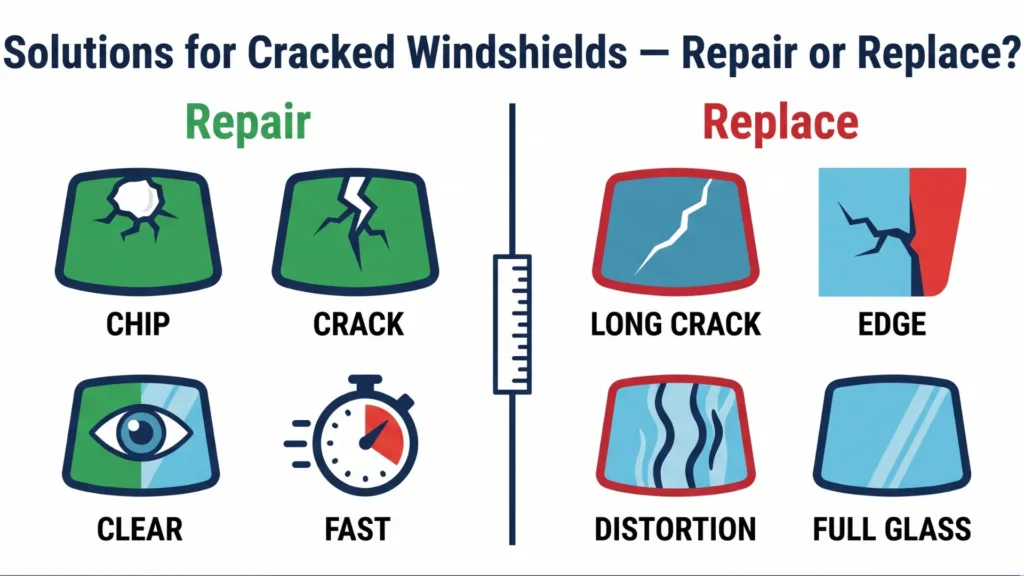
- Know when to repair or replace—repairs work for small, isolated damage (chip < quarter size), but cracks over 6 inches or near edges demand replacement for full safety.
- Certified technicians ensure transparency and trust—look for repair shops with NGA or AGRSS certifications, clear warranties, and high customer reviews.
- Insurance and costs are manageable—most comprehensive policies cover repairs with minimal out-of-pocket expense, while waiting can lead to denied claims or higher bills.
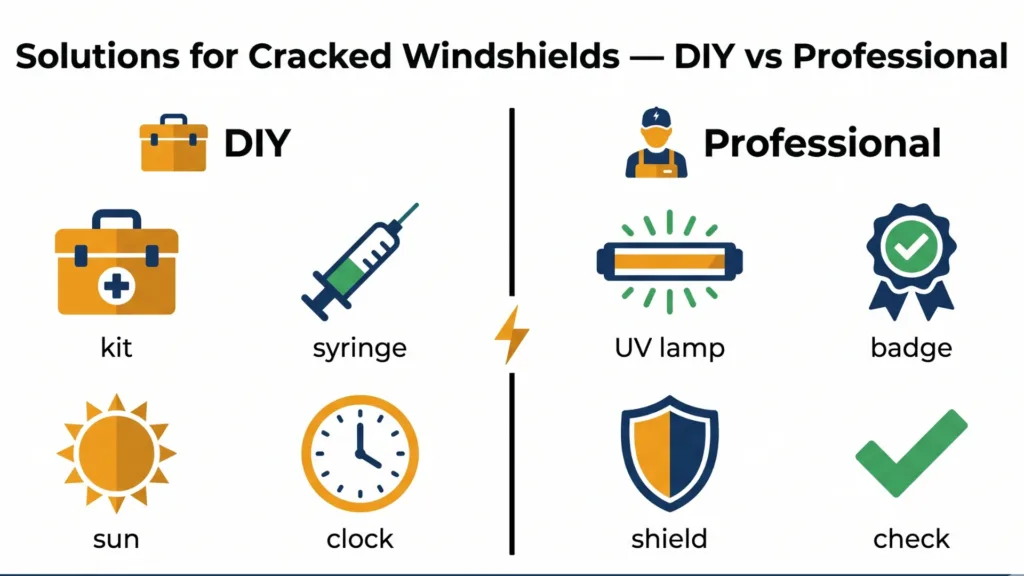
- DIY repairs work only for minor chips—use a quality kit on clean, dry glass, but consult a professional for larger or complex cracks to avoid voiding warranties.
- After repair, proper care is critical—keep the area dry for 24 hours, avoid slamming doors, and inspect for clear, distortion-free results to guarantee a safe fix.
- Modern advancements mean faster, stronger repairs—expect UV-cured resin, mobile repair units, and eco-friendly practices from top shops for ultimate convenience and quality.
Prioritize timely action, certified professionals, and trusted materials to safeguard your “Clear Vision, Safe Driving”—explore the full article for expert guidance and proven solutions.
Solutions for Cracked Windshields — What Every Driver Must Know Before It’s Too Late
A single, tiny crack in your windshield can reduce its strength by up to 60%—turning what looks like a harmless blemish into a real safety risk before you’ve even had your morning coffee.
If you’ve ever flinched at the sound of a pebble pinging off your glass or felt your heart race as a star-shaped crack spread overnight, you’re not alone. For drivers, fleet managers, and dealerships alike, clarity and structural safety aren’t just ideals—they’re essential for every trip.
Quality auto glass repair isn’t just about restoring a flawless view; it’s about protecting your passengers, preserving your investment, and ensuring your car meets legal standards. In fact, a well-installed windshield supports up to 45% of your vehicle’s structural integrity in a head-on collision—a statistic that underscores why even “just a chip” deserves urgent attention.
Here’s what you can expect to gain:
- Confidence in knowing when damage can be safely repaired—and when replacement is truly needed
- Transparent insights into costs, insurance coverage, and warranty protection
- A straightforward look at DIY fixes versus professional solutions, so you’re never left guessing
- A practical guide to choosing a reputable, safety-first specialist who values transparency and long-term customer care
Today’s best auto glass services combine speed, skill, and peace of mind—whether you need a chip sealed before it spreads or a full replacement guaranteed for years. You’ll also discover why new technology (think mobile repairs at your location, rapid-cure resins, and eco-friendly practices) is changing what you can expect from modern auto glass care.
Ultimately, your windshield is more than a piece of glass—it’s your first shield on the road and your partner in safe driving. Understanding its role in your vehicle’s safety and performance is the first step toward stress-free, confident journeys every time you drive.
Wondering just how much your windshield does for you? The next section reveals the surprising ways auto glass impacts your safety, and why immediate action always pays off.
The Role of Auto Glass in Vehicle Safety and Performance
A fully intact windshield is much more than a clear view of the road—it’s a core part of your vehicle’s structural safety.
Whether you’re listening to the crisp click of the wipers on a rainy night or glancing at traffic through the glass, your auto glass is quietly supporting every drive. Studies show that a properly installed windshield can contribute up to 45% of a vehicle’s structural integrity in a head-on collision.
Why Every Crack Counts
Even a small chip or crack can have a big impact.
- Minor windshield damage weakens the glass, making it up to 60% more likely to fail during an accident.
- Cracks can distort your vision, especially in bright sunlight or on rainy nights, where even a hairline fracture can catch and scatter glare.
Picture this: You’re driving during rush hour, and a distracting curve of glass in your line of sight causes a split-second delay in your reaction. A clear, undamaged windshield lets you focus on the road—not on a spreading crack.
“Clear vision, safe driving—your windshield is your first shield on the road.”
Windshield Roles in Occupant Protection
Modern windshields are designed to support airbag deployment and keep the roof stable in a rollover.
- During a collision, your windshield can prevent the roof from caving in.
- It also acts as a barrier, keeping passengers safely inside the vehicle.
A compromised windshield puts these protective features at risk, underscoring why immediate repair is about more than appearance—it’s about safety for everyone inside.
Legal Requirements and Glass Types
Across most states, it’s illegal to drive with significant windshield damage in the driver’s line of sight.
- Police can issue tickets if the crack blocks your view or the chip exceeds set size limits.
- Insurance companies often require repairs to maintain coverage.
There are two major types of auto glass:
- Laminated glass: Found in most windshields, it contains a safety layer that holds the glass together on impact.
- Tempered glass: Used for side and rear windows, designed to shatter safely into small pieces.
Every detail matters: the right glass, the right repair, and fast action ensure your car’s clarity, comfort, and protection.
The most important takeaway: A small chip today can turn into a big safety risk tomorrow. Fast, professional glass repair isn’t just about looks—it’s essential for keeping you, your passengers, and your vehicle safe on every journey.
Types of Glass Damage: Chips, Cracks, and Beyond
Windshield issues usually catch you off guard—but even minor flaws can threaten your safety and visibility.
A small pebble on the highway, a rapid temperature swing, or even an unexpected hailstorm can put a noticeable scar on your glass.
Common Causes & How Damage Starts
You’re most likely to deal with auto glass damage from:
- Road debris—like pebbles or gravel thrown up by other vehicles
- Severe weather—hail, windborne debris, or even rapid heat/cold shifts
- Minor accidents—doors slamming, fender benders, or construction site hazards
Many small cracks start at the edge of the windshield, where vibration and stress levels are highest.
“Even a chip smaller than a pencil eraser can spread rapidly if ignored—especially with wild weather swings.”
Types of Windshield Damage
Visual cues can help you quickly spot which kind of issue you’re facing:
- Chips: Small dings, often shallow and less than a quarter in size
- Bullseye: Circular area with a dark center, typically dime-to-quarter-sized
- Star break: Patterns radiating from the point of impact—think small, crack-like legs
- Cracks: Straight or curved lines, which may stretch several inches or web outward
Picture this: A chip from flying gravel might seem harmless, but it can spider into a crack overnight with a cold snap.
Damage Progression & Repairability
Several key factors affect whether a quick repair or total replacement is best:
- Location—Damage in the driver’s direct view or near the edge poses more risk
- Size—Repairs are safest if chips are smaller than a quarter, and cracks are under several inches
- Depth—Damage that penetrates only the outer layer is easier to fix
If the damage is on the edge, is longer than a credit card, or starts to distort your view, replacement is usually recommended.
“Windshield cracks can grow up to 80% longer within weeks if not fixed—fast response is key for your safety.”
What Minor vs. Major Damage Looks Like
- Minor damage: Tiny, isolated, and away from edges or vision zone—often safe to repair in less than an hour
- Major damage: Long spreading cracks, edge fractures, visual distortion—these need a professional replacement for safety
A sharp, clear photo comparing a healed chip to a growing crack makes it obvious: timely repair saves you stress, time, and money.
Spotting the difference between a tiny chip and a dangerous crack is the first step in protecting both your safety and your wallet. With quick action and an expert eye, you can keep your glass strong and your vision clear.
Fast Solutions: Professional Auto Glass Repair Explained
Picture this: a rock flies up and you spot a sharp crack snaking across your windshield. Acting quickly is more than just a convenience—it’s a matter of driver safety and preventing further damage.
Speed matters: A minor chip left unrepaired can become a long, unmanageable crack in just one day, especially after a sudden temperature shift.
Industry data shows that immediate repair can minimize replacement costs and maintain structural strength—over 80% of repairable chips measure less than the size of a quarter.
What to Expect: Step-by-Step Professional Repair
A certified technician delivers fast, reliable results with the following proven process:
- Clean and Prep: Park in a cool, shaded area. Remove loose debris with a precision razor blade.
- Dry Thoroughly: Moisture or dirt trapped in a chip weakens the bond—professionals use compressed air for complete drying.
- Resin Injection: The technician secures an injector or pedestal and fills the damaged area with high-strength repair resin.
- UV or Sunlight Curing: The resin cures in 15–30 minutes under UV light or direct sunlight for an uncompromising seal.
- Scrape and Polish: After curing, excess resin is carefully scraped and the surface is polished for clarity and a smooth finish.
Up-to-Date Techniques and Quality Standards
Professional repair shops use modern resins and state-of-the-art UV curing lamps—an upgrade from basic DIY kits.
- Every repair undergoes strict quality checks to confirm a crystal-clear finish with no visual distortion.
- Specialists monitor industry standards to ensure repairs meet safety regulations and glass warranty requirements.
Safety Precautions and Best Practices
After a repair, care is critical.
- Avoid slamming doors or driving over rough terrain for 24 hours to protect the new bond.
- Inspect the repaired area for clarity and stability—a well-done fix should be barely noticeable.
“Always choose certified technicians for peace of mind—your safety is their craft.” This reassurance isn’t just a slogan—it reflects the reality that trusted auto glass experts stand behind their work with lasting warranties and transparent, customer-first service.
A fast, professional repair restores visibility, protects your vehicle’s integrity, and keeps you confidently on the road—delivering clear vision for safe driving every mile.
Repair vs. Replacement: Making the Right Choice
When a crack or chip appears, deciding between repair and replacement comes down to several critical factors.
Size, location, and type of damage all play a role in determining your safest solution.
| Factor | Repair | Replacement |
|---|---|---|
| Chip Size | Smaller than a quarter | Larger than a quarter |
| Crack Length | Under 6 inches | Over 6 inches |
| Location | Away from edge and driver’s view | At or near edge, in line of sight |
| Glass Distortion | None present | Visible distortion or spreading |
| Typical Cost | $60–$100 | $250–$500 |
| Time Required | 15–30 minutes | 1–2 hours |
| Structural Integrity | Maintained | Compromised, needs full restoration |
Fast Decision Points: What Matters Most
Consider these factors before taking your next step:
- Size: If the chip is smaller than a quarter, or the crack is less than 6 inches, repair is typically possible
- Location: Damage outside the driver’s direct line of sight and away from windshield edges is more repair-friendly
- Depth: Only cracks that penetrate the outer glass layer, not the inner laminate, should be repaired
A chip in the lower passenger side? That’s often a candidate for a quick resin fix. A long crack creeping toward the edge? That’s a warning sign.
“A chip smaller than a quarter is quick to fix—anything larger risks the strength of your entire windshield.”
When to Repair vs. When to Replace
Knowing the difference can save both money and stress.
Repair is Safe If:
- The chip/crack is small and isolated
- Damage is clear of the edge and driver’s view
- There’s no sign of glass distortion or spreading
Replacement is Needed If:
- Cracks are longer than several inches or are spreading
- There’s damage at or near the edge of the windshield
- Structural integrity is compromised, or there’s distortion affecting visibility
Picture this: You spot a spiderweb crack after a cold night. It’s nearer the edge and seems to lengthen daily—that’s your cue for full replacement.
At-a-Glance: Quick Scenario Chart
Repair:
- Small chip < quarter size
- Crack < 6” and not spreading
- Clear sight, no edge contact
Replace:
- Crack > 6” or getting longer
- Chip or crack at the windshield’s edge
- Anything causing visual distortion
Trends show advanced resin formulas allow reliable repairs for up to 80% of minor windshield chips—but experts say anything larger or on the edge must be replaced for full safety.
The Takeaway
Rely on these clear safety guidelines for a confident choice: small, isolated damage means repair; long, spreading, or edge cracks call for trusted replacement. Fast action today can mean the difference between a quick fix and a costly replacement—clear vision and safe driving always come first.
DIY Windshield Repair: Pros, Cons, and Best Practices
Picture this: You spot a tiny chip on your windshield after a long drive, and you wonder if you can handle it yourself. DIY windshield repair kits offer a quick fix for minor damage, but using them safely and effectively requires attention to detail.
When DIY Repair Makes Sense
DIY is a smart option if:
- The chip or crack is small (smaller than a quarter or under three inches)
- The area is clean, dry, and uncontaminated
- Damage sits outside the driver’s direct line of sight and is not near the edge of the glass
If any of these criteria aren’t met, a professional solution is safer.
Tools and Safety Gear Checklist
Keep these essentials on hand:
- Quality resin-based repair kit (available at most auto stores)
- Razor blade or pin for debris removal
- Lint-free cloths
- Glass cleaner or rubbing alcohol
- Protective gloves and eye protection
Quick tip: A clean workspace helps ensure a strong, lasting repair.
DIY Step-by-Step: Windshield Repair Kit
Follow these industry-backed steps:
- Cool and clean the glass fully—park in the shade, clear debris, use glass cleaner, and dry well
- Apply repair kit’s injector or pedestal, fill with resin carefully
- Allow resin to draw into the crack, then cure it 15–30 minutes with UV light or sunlight
- Remove curing strips and scrape off any extra resin until smooth and clear
“Precision matters—one rushed step can mean a foggy finish or weak repair.”
Common Pitfalls and How to Avoid Them
Watch for these issues:
- Contamination: Dirt or moisture under resin leads to cloudiness or bond failure
- Incomplete curing: Resin must harden fully for strength; always check manufacturer’s time guidelines
- Overflow: Too much resin makes cleanup difficult—apply slowly
Modern kits, when used with care, can deliver results you’d be proud to show off.
Cost, Time, and Risk: DIY vs. Professional Repair
- DIY kits usually cost $15–$40 and take about 30-45 minutes for most users
- Professional repairs average $75–$150 but come with a warranty and expert inspection
- DIY can void windshield warranties
- You may miss underlying damage or compromise safety without professional tools
“DIY saves money, but the safest repair is the one done right—your safety matters most.”
#### Bottom line: If your damage fits the guidelines, a DIY kit is a budget-friendly fix when handled with care. Always prioritize safety over speed, and if there’s any doubt, trust a professional for peace of mind and lasting clarity behind the wheel.
Choosing a Reputable Auto Glass Specialist
When it comes to auto glass repair, selecting the right provider can mean the difference between lasting safety and future headaches.
Look for companies that prioritize professionalism, maintain up-to-date certifications, and offer work backed by solid warranties.
Essential Criteria: What to Check First
Evaluate potential specialists using these non-negotiable factors:
- Certification: Choose providers who maintain certifications like National Glass Association (NGA) credentials or Automotive Glass Replacement Safety Standard (AGRSS) membership for proven expertise.
- Experience: A history of successful repairs—preferably with years in the industry.
- Customer reviews: Consistently high ratings (above 4.5 stars on Google, Yelp, or local directories) signal reliability.
- Transparent estimates: Trusted shops will break down all costs up front—no hidden fees, ever.
Request to see a copy of any liability insurance or service guarantees before work begins.
Evaluating Service Quality and Trust
Professional glass shops welcome transparent conversations.
Key questions to ask before booking:
- What type of materials do you use for repairs or replacement?
- Can you describe the repair process and your quality checks?
- What is your standard timeline—from booking to finished job?
- Do you provide written warranties on your work?
Local providers often stand out for personalized service, but larger national chains may offer faster scheduling or mobile repairs—find a fit for your needs.
Why Trust and Transparency Matter
Imagine this: you spot a chip, call three shops, and get three wildly different quotes.
The most reputable specialists will:
- Walk you through repair vs. replacement decisions honestly.
- Offer clear, simple explanations—never rushing or pressuring you.
- Show you photos or examples of similar successful repairs, so you know what to expect.
When it comes to auto glass safety, you want a partner, not just a provider.
Memorable Takeaways for Choosing Wisely
“Trust is built in the details—choose a shop that values safety as much as you do.”
“Professional certifications, strong warranties, and open answers set top-tier specialists apart.”
Your best ally on the road is a glass repair shop where every step is clear, every promise kept, and your safety put first.
Understanding Auto Glass Repair Costs and Insurance Coverage
When it comes to auto glass repair costs, every case is unique—but you can save time and minimize expenses by knowing what matters most upfront.
Repair costs depend on several key factors:
- Type and extent of damage (chip, crack, full replacement)
- Size and location on the windshield or window
- Vehicle make/model, as luxury or specialty cars may require pricier glass
- Labor rates and local market trends
A basic chip repair can range from $60–$100, while a full windshield replacement often falls between $250–$500, depending on your vehicle and features. Picture this: a simple quarter-sized chip caught early may cost less than a tank of gas, while a long, spreading crack could mean a higher bill.
Insurance Coverage: What’s Actually Paid For?
Most comprehensive insurance policies cover windshield repair or replacement with little to no out-of-pocket cost, but specifics vary.
Key points to consider:
- Comprehensive coverage often pays for glass repair, sometimes waiving deductibles on minor repairs but requiring payment for full replacements
- Filing a claim can be streamlined—many reputable repair shops offer direct billing to your insurance (no paperwork headaches)
- If you have a high deductible, small repairs may be more affordable to pay yourself rather than file a claim
Tips to Maximize Benefits and Avoid Surprises
To ensure the best financial outcome, remember these actionable strategies:
- Verify your policy details before booking service, especially on older or specialty vehicles
- Ask about direct insurance billing so you pay only your portion at the shop, without chasing reimbursement
- Compare repair shop quotes and check online reviews for transparent pricing and honest assessments
Factors that might impact insurance approval:
- Type of damage: Most insurers decline coverage for existing or poorly repaired cracks
- Timeliness: Delaying repairs can lead to claims denial if the problem grows worse
- Provider choice: Some policies recommend specific shops for full coverage benefits
Picture yourself driving away with a crystal-clear windshield—knowing you got reliable service, paid a fair rate, and used your insurance wisely.
Understanding the real costs and coverage details means you’ll be prepared, protected, and confident when booking your next auto glass repair. Get the facts, ask the right questions, and put your safety first with every decision.
Ensuring Quality, Safety, and Lasting Satisfaction Post-Repair
A flawless auto glass repair isn’t just about immediate looks—it’s about long-term safety and keeping your car’s integrity strong.
Right after a repair, follow these essential care steps for maximum bond strength and visibility:
- Avoid washing the car and keep the area dry for at least 24 hours—this helps the resin cure completely.
- Be gentle when closing doors to prevent vibrations that could weaken a fresh repair.
- Park in the shade and stay away from temperature extremes for the first day.
“A clear windshield means a clear path to safety—don’t take shortcuts after repair.”
Signs of a Successful Repair vs. Red Flags
Inspect your windshield closely—professional repairs show near-invisible results, not cloudy patches.
Use this quick checklist to judge the quality:
- Smooth, clear finish (no bubbling or haziness)
- Crack/chip is sealed with no visible gaps or loose edges
- No spreading or new fractures after 24 hours
- Distortion-free clarity for both day and night driving
If you spot a rough surface, haze, or continued cracking, get a re-evaluation immediately—these signs can compromise safety.
“Trust your eyes: Clarity after repair should rival new glass.”
Warranty Coverage and Ongoing Windshield Care
Always confirm the details of your repair warranty—reputable auto glass specialists often cover workmanship for the life of the vehicle or up to several years.
Know what’s protected:
- Re-fixing failed repairs (like resin peeling or fresh cracks at the same spot)
- Materials and labor for any warranty-approved issues
For lasting results, routine maintenance is key:
- Keep glass clean—dirt and grime can hide new chips
- Avoid slamming doors to reduce stress on repairs
- Address new chips or cracks as early as possible
Building Trust for Future Safety
Choose a provider who documents each step and communicates openly—it’s the mark of a true professional.
“Long-term safety starts with your choice of expert. Build a partnership, not just a one-time fix.”
Fast, expert repairs mean more than restored glass—they mean peace of mind on every drive. By following these tips and partnering with a trusted auto glass specialist, you can enjoy lasting clarity, safety, and confidence behind the wheel.
Innovations and Trends in Auto Glass Repair
Today’s auto glass repair industry is defined by speed, safety, and sustainability. Keeping up with new methods, high-tech tools, and eco-friendly practices is now essential—both for drivers and professionals who never want to compromise on quality.
Advancements in Resin & Curing Technology
Recent years have seen a leap in resin formulas for faster, stronger repairs.
- High-bond resins now reduce repair time to as little as 15–30 minutes, with improved clarity that nearly erases visible damage.
- Pro-grade repair kits use UV curing lamps for even, rapid hardening—many shops can complete same-day repairs thanks to these advances.
Picture this: A technician sets up a UV lamp and, in less than half an hour, your previously cracked windshield is as clear as new—no haze, no waiting around.
Mobile On-Site Repair and Rapid Response
Mobile repair units are on the rise, delivering precision service right at your location.
- Most reputable companies offer repairs where you work, shop, or relax, making downtime minimal.
- With many providers, you can expect swift same-day or next-day appointments, even for fleet or dealership clients.
Social-friendly quote: “The future of auto glass repair is coming to you—fast, clean, and convenient.”
Safety Standards for 2024 and Beyond
New regulations demand higher transparency and testing.
- Current industry trends favor certified technicians and warranty-backed work for complete customer trust.
- Updated standards require technicians to document all repairs for quality and safety checks.
In 2024, it’s not just about fixing cracks—it’s about ensuring every repair meets rigorous benchmarks.
Eco-Friendly Practices and Ongoing Training
Sustainability matters more than ever.
- Many shops recycle old glass, reducing landfill waste and promoting environmental responsibility.
- Leading providers invest in continuous training—technicians regularly attend workshops to master the newest tools and techniques.
Shareable tip: “Choose shops that recycle and retrain—the safest, greenest solution for your ride.”
From UV-cured resins to mobile solutions and eco-conscious operations, modern auto glass repair is all about trust, convenience, and performance. Keeping safety and sustainability front and center guarantees your windshield is in the best possible hands—today and tomorrow.
Supporting Imagery and Visual Resources
Picture this: a close-up, crystal-clear image showing resin being skillfully injected into a tiny windshield chip, the technician’s hands steady, the work site spotless. These visuals don’t just tell the story—they prove the quality and precision that set a reputable auto glass specialist apart.
Busy readers and fleet owners expect more than a generic before-and-after; they want to see the difference safety and professionalism make.
Elements of Effective Repair Imagery
For every service provider or driver searching for transparency, the right visuals answer questions instantly. Use images that:
- Highlight clear, step-by-step progress—from debris removal to resin curing under sunlight (typically 15–30 minutes per repair)
- Show close-ups of minor cracks versus long, spreading fractures
- Depict proper use of professional repair kits and tools
- Include high-quality, well-lit shots of finished repairs—no glare, distortion, or smudges
Every image should reinforce that safety is never compromised and results match the company’s “Clear Vision, Safe Driving” promise.
Visual Examples and Customer Confidence
Visual storytelling doesn’t end at repairs in progress. For maximum reassurance:
- Display side-by-side images: a chipped windshield, then the seamless result after a professional repair
- Include customer testimonials beside their vehicles, smiles and all, with a visible “before and after” overlay
- Use color accents—blue and gray—to signal trust and professionalism throughout visual materials
Quote-ready tip: “A crisp photo of a safely repaired windshield speaks louder than any words.”
Choosing and Using Your Visual Assets
For video or social reels, show a quick clip: cleaning the glass, resin application, UV curing, and a hand gently running over the flawless finish. These moments make effective proof points across social, web, and mobile.
“Every clear photo is a promise kept for your safety and satisfaction.”
For anyone comparing providers, images that highlight certifications, smiling technicians, and spotless service bays are instant trust builders—and set the tone for long-term customer relationships.
Strong visuals work as your 24/7 testimonials, conveying one key takeaway: Professional, transparent auto glass repair means safety you can see.
Solutions for Cracked Windshields — Your Clearest Path to Safe, Confident Driving
A clear, expertly repaired windshield isn’t just about looks—it’s a direct investment in your safety, peace of mind, and the protection of everyone who rides with you. With the right approach, you can eliminate distractions, strengthen your vehicle’s integrity, and ensure every drive is as safe and comfortable as it should be.
Your attention to minor glass damage now means more reliable performance—today and for the many miles ahead.
—
Top Actionable Takeaways:
- Address windshield chips and cracks immediately to prevent them from spreading and threatening your safety.
- Work only with certified, customer-focused auto glass specialists for results you can trust and warranties that last.
- Understand your insurance policy so you can take full advantage of covered repairs and avoid unnecessary costs.
- Inspect repairs closely—smooth, clear finishes and invisible bonds are the hallmarks of true craftsmanship.
- Prioritize safety and visibility over shortcuts or quick fixes—your clear vision is non-negotiable.
—
Concrete Next Steps:
- Schedule a professional inspection as soon as you notice any damage, no matter how small.
- Compare trusted repair providers—look for certifications, transparent pricing, and strong customer testimonials before booking.
- Ask about mobile repair services for added convenience, and always confirm warranty details ahead of time.
- Request before-and-after photos of your repair to verify quality and build confidence.
- Share your positive experience with others—help friends, family, and colleagues stay safer on the road.
—
Every moment you drive with a flawless windshield is a commitment to yourself, your passengers, and everyone sharing the road. Your safety doesn’t wait—take the first step toward restored clarity and confidence right now.
Because every clear mile ahead starts with safety you can see—and peace of mind that lasts.
FAQ
What are the best solutions for cracked windshields?
Solutions for cracked windshields depend on the size, location, and depth of the damage. Professional resin repair works for chips smaller than a quarter and cracks under six inches, while replacement is necessary for edge damage or cracks longer than six inches. Industry data shows over 80% of chips can be fixed quickly, preventing costly replacements later.
How much do solutions for cracked windshields typically cost?
Solutions for cracked windshields vary in cost depending on damage severity. A basic chip repair ranges from $60–$100, while full windshield replacement falls between $250–$500 depending on vehicle type. Most comprehensive insurance policies cover these solutions for cracked windshields with minimal out-of-pocket expense.
Are DIY solutions for cracked windshields effective?
Solutions for cracked windshields can include DIY kits for minor, isolated chips smaller than a quarter that are clear of the windshield edge and driver’s line of sight. DIY kits cost $15–$40 and take 30–45 minutes, but improper use can cause cloudiness, weak bonds, or void warranties. Larger or complex damage always calls for professional solutions for cracked windshields.
How long do professional solutions for cracked windshields take?
Professional solutions for cracked windshields are fast and efficient. Resin injection and UV curing typically take 15–30 minutes, with the full repair process completed in under an hour. Mobile repair units now bring these solutions for cracked windshields directly to your home or office for added convenience.
How do I choose a reliable provider for solutions for cracked windshields?
Solutions for cracked windshields should always come from certified providers holding NGA or AGRSS credentials. Look for transparent upfront pricing, verified customer reviews above 4.5 stars, and written warranties on workmanship. A trustworthy provider will clearly explain whether repair or replacement is the right solution for cracked windshields in your specific case.
Thank you for choosing Discount Auto Glass. Fast, reliable service with a lifetime guarantee. Visit us or enjoy our mobile service.