
November 15, 2025
Mobile vs. In-Shop Auto Glass Repair: Which Is Better?
Key Takeaways
Choosing between mobile vs. in-shop auto glass repair can have a significant impact on your safety, convenience, and long-term driving confidence. These essential insights help you make the right choice for your vehicle’s glass repair needs, ensuring both quality and peace of mind as you drive.
- Mobile repair delivers unmatched convenience for minor chips and small cracks—a certified technician comes to you, saving valuable time and preventing unsafe driving.
- In-shop service offers precision and control for major cracks, ADAS calibration, and structural repairs, using advanced tools in a climate-controlled, dust-free environment.
- Safety always comes first—professional providers use OEM-quality materials and certified techniques whether on-site or in-shop, meeting or exceeding manufacturer standards.
- Transparent pricing protects you—expect fair estimates, clear breakdowns of fees, and no hidden charges, for both mobile and in-shop repairs.
- Weather can influence your choice—rain, extreme cold, or high humidity can affect repair quality outdoors; shop repairs ensure optimal conditions every time.
- Advanced technology demands expertise—over 60% of new vehicles require in-shop ADAS recalibration after glass replacement, so ask about technician certifications.
- Customer satisfaction is built on trust—look for shops with AGRSS certification, visible credentials, and a commitment to follow-up care from start to finish.
- Choose based on your needs: opt for mobile repair when time and minor damage are factors; select in-shop service for complex, safety-critical, or tech-intensive jobs.
Empower your decision—prioritize safety, reliability, and transparency to find the perfect fit for your vehicle’s glass repair needs. Explore the full article for expert guidance and real-world scenarios tailored to your situation.
Introduction
A single pebble kicked up on your morning commute can turn your crystal-clear windshield into a source of stress—and a potential safety risk, too.
Picture this: you spot a tiny chip before heading to the office or, worse, a spiderweb crack spreading across your view right before a road trip. It’s a scenario drivers face every day, and the next step isn’t always clear—should you call for mobile repair, or make time for a shop visit?
More than 60% of Americans delay auto glass repairs due to busy schedules or uncertainty about the best option. Waiting too long can turn minor dings into costly, dangerous problems—and risk both your safety and peace of mind.
That’s why choosing between mobile and in-shop auto glass repair deserves more than a quick guess. It’s about ensuring your safety, protecting your investment, and making your daily routine easier, not harder.
With today’s vehicles getting smarter—think ADAS cameras, rain sensors, and advanced safety tech—precision repair and calibration matter more than ever. Add unpredictable weather and the need for transparency in pricing, and the right choice becomes critical for everyone—from busy parents and professionals to fleet managers and insurance partners.
Here’s what you’ll take away from this guide:
- Clear comparisons of mobile vs. in-shop repair for every type of damage
- When immediate convenience outweighs the need for specialized shop tools—and when it’s exactly the opposite
- How to evaluate safety, cost, turnaround time, and service quality without stress or surprises
- Why trusted providers—those who put customer safety and satisfaction first—make all the difference
Want to protect your passengers, avoid costly mistakes, and keep every drive worry-free? Understanding these repair options is the first—vital—step.
Next, we’ll break down both mobile and in-shop auto glass repair in detail, showing you when each service truly shines and how to make the safest, smartest choice for your needs.
Understanding Mobile and In-Shop Auto Glass Repair
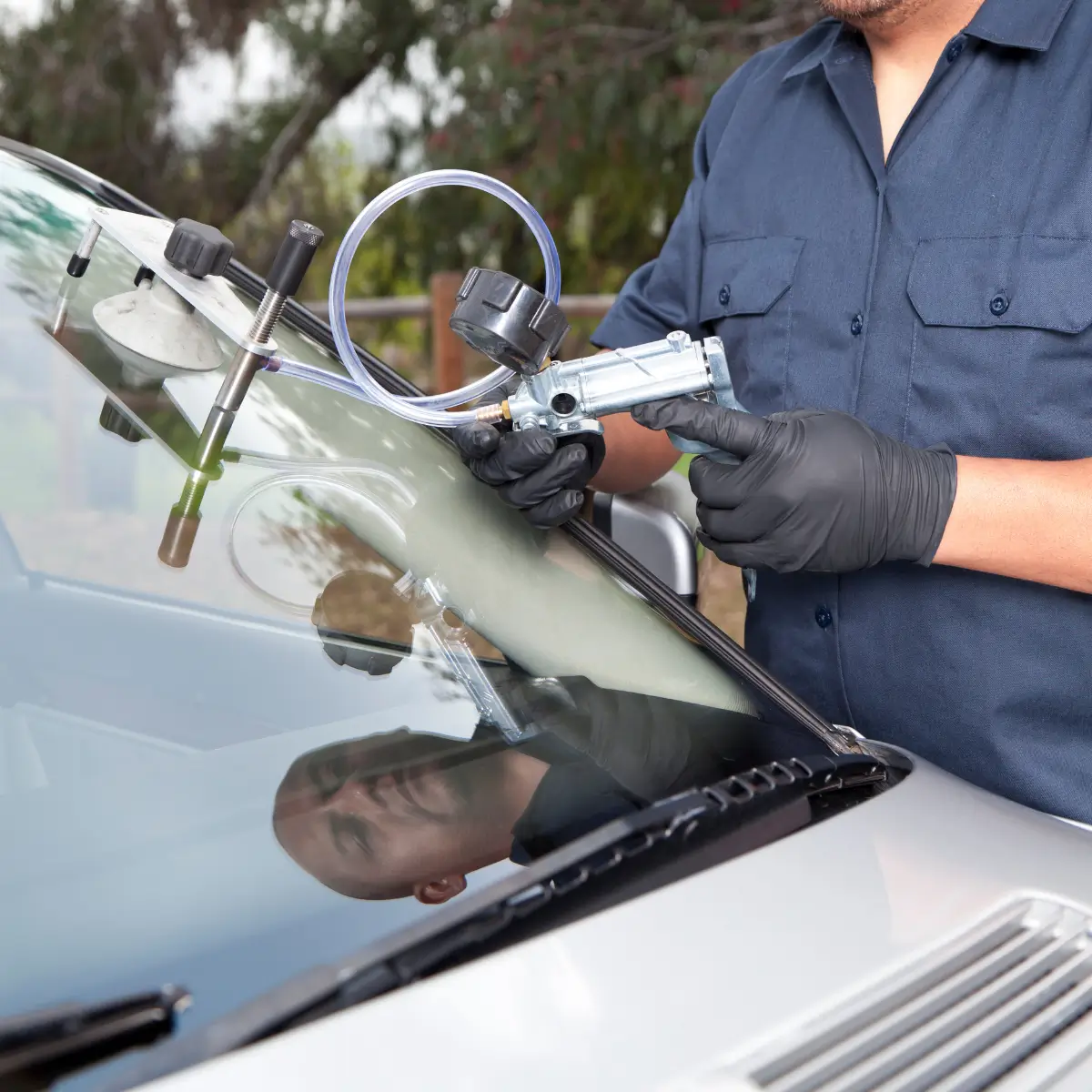
Mobile auto glass repair offers unmatched convenience, especially for minor chips and small cracks. A certified technician comes directly to your location—whether it’s at home, work, or even the side of the road. The repair process focuses on immediate safety and quick service.
Mobile repairs shine for:
- Minor chips and small cracks—the quick fixes that restore clarity and prevent worsening
- Busy professionals or parents who can’t afford downtime
- Emergency situations where moving the vehicle isn’t safe

In contrast, in-shop auto glass repair happens in a controlled, professional workshop equipped for every scenario—from advanced diagnostics to recalibrating ADAS (Advanced Driver-Assistance Systems).
In-shop repair is ideal for:
- Major cracks, full replacements, or structural glass damage
- Fleet owners needing coordinated service and quality control
- Tech-forward models with sensors or rain detection requiring precise calibration
Inside the shop, expert teams use industrial-grade equipment to ensure perfect adhesive cures, optimal fit, and accurate recalibration—critical for newer vehicles with sensor technology.
Both service types are committed to high standards of quality, reliability, and long-term safety. No matter the location, reputable providers use professional-grade materials and transparent repair processes.
Professional expertise matters for:
- Safe installation that meets or exceeds manufacturer guidelines
- Compliance with insurance and safety regulations
- Warranties that give lasting peace of mind
Picture this: A technician arrives at your workplace, repairing your minor windshield chip by lunchtime—the car is ready before your next meeting. Alternatively, imagine your ADAS-equipped SUV receiving a complex, sensor-integrated replacement with certified recalibration, all under the bright lights of a climate-controlled shop.
Key takeaway: Mobile repair is a flexible lifesaver for small problems and busy days, but for serious glass damage or advanced technology, in-shop service ensures enduring safety and precision. Always choose a provider with professional training and transparent practices to keep you— and your passengers—safe on the road.
Comparing Service Quality and Customer Experience
Mobile Auto Glass Repair: Convenience and Limitations
With mobile auto glass repair, you get the benefit of on-location service. Whether at home or work, a technician arrives at your location, saving you valuable time. The service is fast and convenient, with repairs often completed in less than an hour.
However, mobile repairs can be affected by weather conditions such as rain, humidity, or extreme temperatures, which can delay or affect the quality of the repair.
For minor damage, mobile auto glass repair is a great choice, but for more complex repairs, such as ADAS recalibration or larger cracks, in-shop service is necessary.
In-Shop Auto Glass Repair: Precision and Control
Walk into a clean, well-lit auto glass shop and you’ll find one clear advantage: total environmental control.
Shops provide:
- Consistent temperature and dust-free space for adhesive curing and complex work
- Advanced diagnostic tools for exact repairs and calibrations, ideal for high-tech vehicles
- Full service for all damage types—major cracks, structural replacements, and special sensors
If you drive a newer car with driver-assistance systems (ADAS), in-shop repair is a must. Only shops have the calibration bays needed to safely restore your car’s lane sensors and cameras.
Reputable shops also deliver value through:
- On-site customer support and transparent communication
- Comfort—waiting areas, progress updates, and service warranties
- Long-term relationship building—trusted contacts for future repairs
“Precision is the difference-maker—shops combine skill, technology, and support for peace of mind.”
—
Whether you prioritize speed and convenience or insist on ultimate quality and precision, choosing between mobile and in-shop auto glass repair comes down to your vehicle’s needs, the severity of the damage, and your own schedule. Always ask: Will this repair keep my view crystal clear and my drive truly safe?
Cost, Time, and Operational Differences: What to Expect
Cost Factors and Transparency
When comparing the cost of mobile vs. in-shop auto glass repair, there are several transparent details to keep top of mind.
Most minor repairs average $100–$150 for chips and $200–$400 for full windshield replacements—regardless of mobile or in-shop setting.
However, there are a few price variables to watch for:
- Mobile service may include a $25–$50 travel fee (especially outside urban areas or after-hours).
- In-shop repair may offer discounts or package incentives, particularly for full replacements or multiple repairs (ideal for fleet vehicles).
- ADAS recalibration (needed for advanced safety features) is only available in-shop, costing $200–$500 extra depending on the model.
- Insurance may cover all or part of your repair, but some policies require in-shop service for major jobs or ADAS recalibration.
Transparent pricing, honest estimates, and clearly listed fees are non-negotiable to ensure trust and satisfaction. Always request a detailed quote upfront—no one likes surprise charges.
“Request a breakdown of all charges before agreeing to service,” is advice that’s worth repeating.
Efficiency and Turnaround
Mobile repairs often mean same-day convenience for minor chips; a technician can have you back on the road in under an hour.
“In a hurry? Most mobile repairs wrap up in under 60 minutes—sometimes before your morning coffee cools.”
In-shop repairs are the choice for:
- Complex damage
- Multiple replacements
- Vehicles requiring ADAS recalibration
These jobs might take 2–4 hours or require scheduling across multiple visits, especially during peak periods.
Quick tip: Booking early and sharing your schedule helps minimize downtime—trustworthy shops prioritize keeping you safe and on the road.
Weather, Safety, and Legal Considerations
Picture this: it’s stormy outside, and your windshield chip needs fixing. Mobile repairs depend heavily on weather—rain, cold, or high humidity can delay or impact repair quality.
- Outdoor repairs must be rescheduled if temperatures drop below 40°F or if it’s raining, to ensure adhesive sets safely.
- Driving with a damaged windshield is not only risky—it could result in a citation in many states if the crack impairs visibility.
- After any repair, ask about safe “drive-away” times (often 30–60 minutes for modern adhesives), and follow all post-care steps for best results.
Insider tip: If time, safety, or legal concerns are in play, choose in-shop service for absolute peace of mind.
Efficient service, fair pricing, and safe repairs go hand-in-hand. Knowing what to expect empowers you to select the best option—so you stay protected and get back on the road with total confidence.
Making the Right Choice for Your Auto Glass Needs
Key Decision-Making Criteria
Picking mobile or in-shop auto glass repair starts with clear, practical questions—focused on your safety, vehicle needs, and daily life.
Ask yourself:
- Is the damage minor (small chip, short crack) or significant (long crack, severe impact)?
- Does my vehicle have advanced safety systems (like cameras or adaptive cruise control) needing ADAS recalibration?
- Can my car be safely driven to the shop, or is it unsafe—or even illegal—to drive in its current state?
- Is the weather stable enough for a quality mobile repair (no rain, extreme heat/cold, or high humidity)?
- Do I need maximum convenience (location, quick turnaround) or ultimate precision and control?
When safety, accuracy, or complex technology are factors, in-shop service is usually the best choice.
“The right setting for your repair can mean the difference between quick peace of mind and long-term confidence behind the wheel.”
When to Choose Mobile vs. In-Shop: Real-World Scenarios
Picture this: A busy professional with a minor windshield chip at home—mobile repair arrives, fixes it in under an hour, and you never skip a beat in your workday.
Or a fleet manager coordinating multiple company vehicles—in-shop booking streamlines service, leverages top equipment, and ensures every truck gets checked and recalibrated for safety.
If you own a new SUV with lane-keeping cameras, in-shop repair is essential for proper ADAS calibration and warranty protection.
Consider these decision points:
- Choose mobile when:
- Your damage is a minor chip or small crack
- You can’t risk driving, or you need maximum flexibility
- The weather is favorable
- Choose in-shop when:
- You have a large crack, major replacement, or structural glass issue
- Your vehicle has ADAS or specialist glass
- You want comprehensive diagnostics, best control, and certified quality
Long-term satisfaction grows from quality assurances, professional warranties, and knowing your repair meets legal and safety standards.
Choosing the right service—mobile for speed and accessibility, in-shop for advanced care and durability—means you’ll enjoy “clear vision and safe driving” every mile ahead. For any auto glass scenario, prioritize solutions that balance your schedule with the safety and precision only true professionals deliver.
Current Trends, Technology, and the Future of Auto Glass Repair
Integrating ADAS and Advanced Vehicle Technology
The rise of Advanced Driver-Assistance Systems (ADAS)—such as lane-keeping, adaptive cruise control, and collision alerts—has redefined the auto glass repair experience.
Today, over 60% of new vehicles have ADAS features that rely on windshield sensors and mounted cameras.
When glass is replaced, recalibration is essential for critical safety functions and often requires:
- Precision equipment to realign sensors
- A controlled environment to meet manufacturer standards
- Trained technicians who understand ADAS protocols
Mobile repair is adapting, but most accurate recalibration still happens in-shop.
Ask your technician:
- “Can you recalibrate my ADAS system here, or is a shop visit required?”
- “What certifications do you have for handling advanced technology?”
Picture this: A technician in a crisp uniform double-checking your lane-assist camera alignment after a new windshield is installed—peace of mind in action.
Industry Standards, Certifications, and Customer Safety
Choosing a qualified provider isn’t just about convenience—it’s about safety and quality.
Look for auto glass professionals who maintain:
- AGRSS (Auto Glass Replacement Safety Standard) certification
- Ongoing manufacturer training on the newest vehicle technology
- Strict use of OEM-quality materials
Ask directly:
- “Are your technicians certified to industry standards?”
- “Do you provide a written service guarantee or follow-up safety inspection?”
Fact: Shops with up-to-date credentials and transparent guarantees earn 35% more repeat customers, according to 2023 industry data.
Accessible, Transparent Service: Building Trust and Long-Term Relationships
The best providers create confidence through clear communication and visible care.
What to expect from a trusted shop or mobile service:
- Honest, upfront quotes with no hidden fees
- Text/email updates before and after your appointment
- A quick follow-up to ensure your satisfaction and safety
Quotable moment: “Clear Vision, Safe Driving—it’s not a tagline, it’s our promise.”
You deserve a provider who stands behind their work with integrity, reliability, and a customer-first attitude—values at the very heart of Discount Auto Glass.
Whether you drive a modern ADAS-equipped car or a trusted family sedan, choosing technicians who combine skill, transparency, and genuine care ensures your safety stays in sharp focus—today and tomorrow.
Strategic Overview: Linking Your Decision to Finding the Best Local Shop
When it comes to choosing between mobile and in-shop auto glass repair, understanding the differences sets you up to make a confident, safe, and cost-effective decision.
Picture this: You notice a small chip in your windshield during a hectic workweek—mobile repair means you don’t miss a beat. But when your vehicle has a major crack or advanced safety tech, an in-shop visit keeps safety and vehicle integrity center stage.
Empower Yourself with Key Facts
Research shows that 90% of minor windshield chips can be safely repaired on-site with mobile services, but more than 70% of ADAS-equipped vehicles require in-shop calibration after glass replacement.
Use this information to help you:
- Match your repair needs to the right service: small, simple damage calls for mobile; large-scale or tech-intensive issues belong in a shop.
- Compare provider capabilities—not every shop or mobile technician offers ADAS recalibration or guarantee on structural repairs.
Think: “Am I looking for absolute convenience, precise diagnostics, or both for my repair?”
Branch Out: Go Deeper with Your Research
Your decision is the start—not the end—of finding high-quality care for your car.
- Check shop credentials and review transparency: Look for AGRSS certification, positive reviews, and clear pricing.
- Understand insurance options: Many providers handle claims paperwork and can clarify coverage for both mobile and in-shop repairs.
- Evaluate customer service: Are they proactive in follow-up care, and do they answer questions about safety protocols and materials used?
A reputable provider will welcome these questions and provide documentation when asked.
Engage Proactively, Prioritizing Safety
Before scheduling, ask these essential questions:
- Is your technician trained for both mobile and in-shop repairs, and do they carry safety certifications?
- How do weather and location impact repair quality—especially for mobile services?
- What is your process for handling ADAS calibration and post-repair inspections?
Consumer tip: “It’s not just about fixing the glass—it’s about restoring your clarity and safety on the road.”
Ready to Take Action?
Knowing the unique strengths and limitations of each service is the fastest path to a smart, safe choice—saving you both time and worry. Always verify a provider’s capabilities, credentials, and commitment to customer satisfaction before you let anyone touch your vehicle’s glass.
FAQ
1. What is the difference between mobile vs. in-shop auto glass repair?
Mobile vs. in-shop auto glass repair refers to where the service is performed. Mobile auto glass repair comes to your location and is ideal for minor chips and quick fixes, while in-shop auto glass repair handles major cracks, full replacements, or vehicles with advanced safety features like ADAS calibration. Choosing the right option ensures safety, convenience, and long-lasting results.
2. When should I choose mobile auto glass repair over in-shop service?
Opt for mobile vs. in-shop auto glass repair when you have small chips or cracks and need rapid service at home, work, or roadside. Mobile repair is perfect for busy professionals or emergencies where driving a damaged vehicle isn’t safe. However, for complex or tech-sensitive repairs, an in-shop service is recommended.
3. Are mobile repairs as safe as in-shop repairs?
Yes, as long as the technician is certified and uses OEM-quality materials. Mobile vs. in-shop auto glass repair both prioritize safety, but in-shop repairs offer controlled environments for complex work like sensor recalibration and major replacements, ensuring precise results.
4. How does weather affect mobile auto glass repair?
Weather can impact mobile services. Rain, extreme heat, or high humidity may compromise adhesive curing or visibility checks. Understanding the differences in mobile vs. in-shop auto glass repair helps you choose a safe option for your vehicle in any climate.
5. Do warranties differ between mobile and in-shop auto glass repair?
Reputable providers offer the same coverage for both. Mobile vs. in-shop auto glass repair from certified shops like Discount Auto Glass includes written guarantees and lifetime workmanship warranties, ensuring peace of mind regardless of service location.
Conclusion
Choosing between mobile vs. in-shop auto glass repair is about more than just convenience—it’s about trusting your safety to skilled technicians. Understanding when to choose one over the other can save you time and prevent long-term issues. Whether you need a quick fix or a complex repair, selecting the right service ensures that your vehicle is safe, and your peace of mind is preserved.
At Discount Auto Glass, we prioritize your safety and convenience by offering both mobile and in-shop auto glass repair services. With certified technicians and transparent pricing, you can rely on us for high-quality repairs that get you back on the road quickly and safely.
—
Key Takeaways:
- Prioritize safety and certified expertise—only entrust your repair to professionals committed to best-in-class workmanship and transparent service.
- Match the repair method to your situation: mobile for small chips and urgent convenience, in-shop for major damage and ADAS calibration.
- Always request a clear, upfront quote—insist on transparency around costs, process, and post-repair guarantees.
- Weather, technology, and your vehicle’s condition should determine when mobile service is truly safe and effective.
- Invest in providers who focus on long-term relationships and honest communication, not one-time fixes.
—
Next Steps:
- Assess your damage and needs—is it a quick fix or a complex replacement?
- Contact reputable providers who offer both mobile and in-shop options, and confirm their certifications.
- Ask about insurance, warranties, and their process for advanced vehicle technologies.
- Don’t delay—a chipped windshield today can become a costly replacement tomorrow.
—
You deserve more than a quick repair—you deserve clear vision and unwavering confidence every mile ahead. Your safety is never an afterthought: it’s the promise that drives every decision.
Make your next move count—choose expertise, demand transparency, and keep every drive secure. Clear vision, safe driving—today, tomorrow, always.
Thank you for choosing Discount Auto Glass. Fast, reliable service with a lifetime guarantee. Visit us or enjoy our mobile service.