
September 22, 2025
Ultimate Guide to Auto Glass Repair & Replacement in 2025: Costs, Safety & ADAS
Key Takeaways
Ultimate Guide to Auto Glass Repair & Replacement in 2025 empowers you to make informed decisions that protect your safety and your wallet. Below are the most critical points you need to know:
-
Early professional assessment is essential — even a small crack can undermine your vehicle’s safety systems, so don’t delay inspection by a certified technician.
-
Repairs are fast and cost-effective for most chips smaller than a quarter and cracks under 6 inches, particularly when the damage is away from the glass edge or the driver’s field of vision.
-
Full replacement is mandatory for cracks over 6 inches, shattered windows, or damage in ADAS zones to maintain maximum protection and regulatory compliance.
-
Modern vehicles demand ADAS recalibration during windshield replacement — expect to add $100–$400 and roughly an hour to your service for technology-enabled driving safety.
-
Typical 2025 pricing ranges from $50–$150 for minor repairs to $1,000+ for ADAS-equipped replacements, so always request a detailed, line‑item quote that spells out all services and potential additional fees.
-
Choose only licensed providers with AGSC/NGA-certified technicians to guarantee quality workmanship, transparent warranties, and safe integration of advanced features.
-
Review your comprehensive insurance coverage — repairs are often covered after your deductible, but paying out-of-pocket may make more sense for low-cost chips or cracks.
-
Customer-focused shops provide clear communication, mobile services, and robust warranties so you drive away with confidence and peace of mind.
Prioritize safety, transparency, and certified expertise — read the full article to discover exactly what to expect from a top-tier auto glass repair experience.
Introduction
Ultimate Guide to Auto Glass Repair & Replacement begins with a scenario: you’re rushing to work and spot a tiny chip on your windshield—just a cosmetic flaw, right? Not quite. That small crack can slash your windshield’s structural strength by up to 50% and, if left unchecked, jeopardize your safety at exactly the moment you need it most.
Auto glass isn’t just about visibility — it’s a critical safety component, interacting with airbags and structural supports to protect occupants. Even a minor defect can undermine your car’s entire protection system, making timely decisions essential.
If you’re like many drivers, you may wonder whether your glass is repairable or needs a full replacement. You might worry about hidden fees, insurance complications, or how new technologies like ADAS cameras affect the proper fix.
Here’s what you’ll learn:
-
How to determine if damage is repairable or requires replacement
-
The step-by-step repair and replacement procedures — with safety first
-
What drives pricing in 2025 and strategies to avoid surprise costs
-
Why expert assessment and ADAS calibration matter more than ever
-
How to identify a trustworthy provider focused on clarity, craftsmanship, and long-term service
Our mission is to help you feel confident and informed—turning a stressful situation into a clear path toward safety and satisfaction. With professional inspection, modern repair methods, and honest pricing, you’ll never have to choose between your budget and peace of mind.
Your peace of mind matters as much as your view of the road.
Let’s start by exploring how types of damage affect safety and your repair or replacement options.
Understanding Auto Glass Damage and Repair Options
Auto glass damage comes in many forms — from tiny chips to complete shattering — and recognizing which types are repairable is essential for both safety and cost control.
Types of Auto Glass Damage
Some of the most common damage types include:
-
Stone chips: small, round blemishes from road debris
-
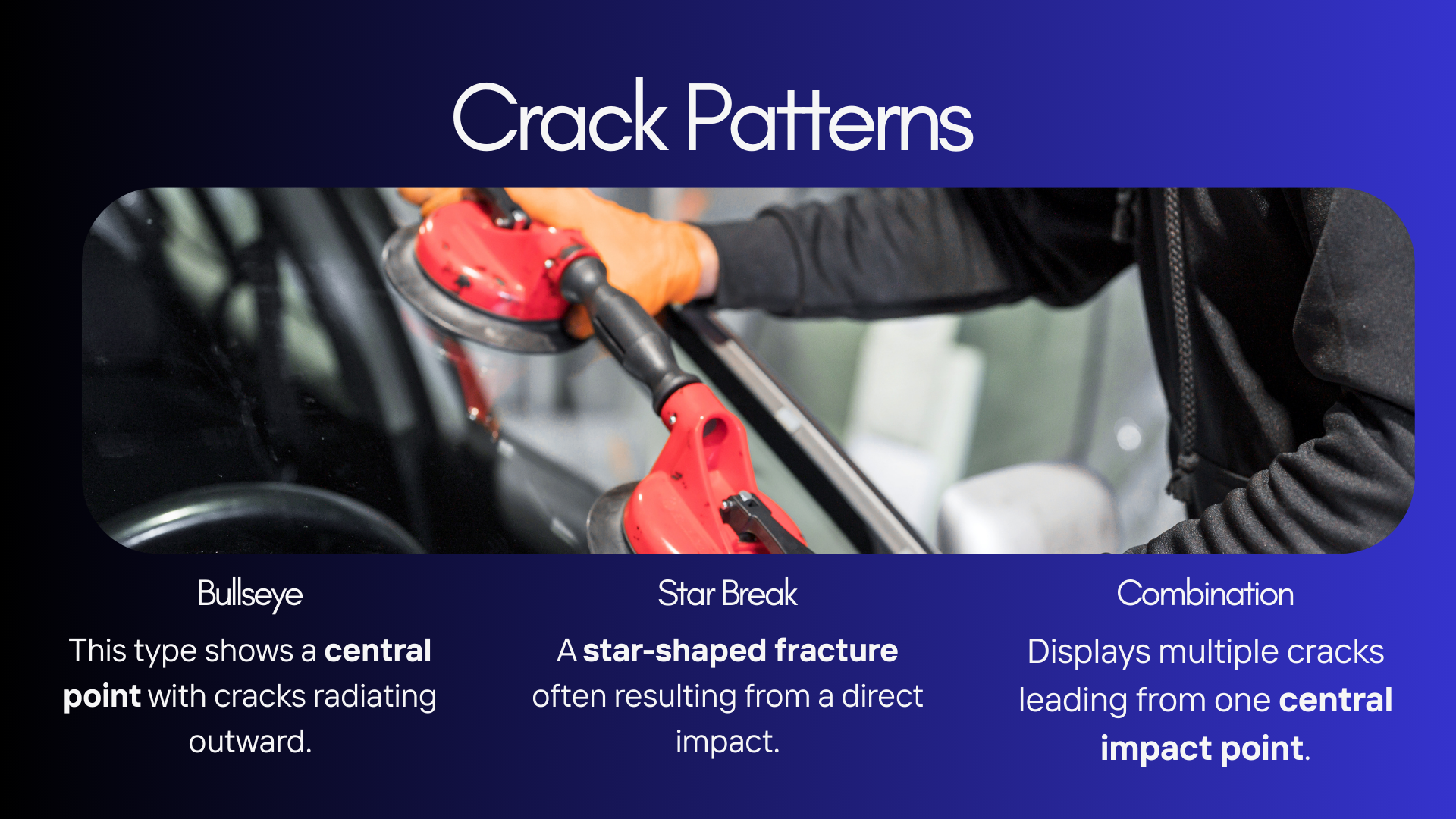
Bullseyes and star breaks: circular or starburst-like cracks radiating from a point
-
Long cracks: typically over 6 inches, either horizontal or vertical
-
Edge cracks: originating within ~2 inches of the glass border
-
Complete shattering: glass breaks into fragments, common in side or rear windows
Windshields most often experience chips and cracks, while side and rear windows are more vulnerable to shattering or repeated pitting.
When Damage Can Be Repaired
Not all damage requires full replacement — many smaller issues are safely repairable if caught early. General guidelines:
-
Chips smaller than the size of a quarter
-
Cracks under 6 inches, located away from edges
-
Damage not obstructing the driver’s direct field of vision
Location is crucial: damage in the critical sight path or near edges often forces full replacement for safety. Always opt for a professional assessment rather than guessing.
When Replacement Is Required
Sometimes the only safe option is full replacement:
-
Cracks exceeding 6 inches
-
Damage in ADAS camera or sensor zones
-
Shattered glass or structural compromise
Repairing damage outside safe parameters can fail crash tests or interfere with airbag deployment. Your technician’s top priority must always be your safety.
Professional Assessment: Your Essential Safety Step
Imagine driving after a DIY repair, unaware of invisible structural weaknesses. That’s why reputable shops don’t just examine the visible damage — they also evaluate your vehicle’s sensor and camera systems, explain every option, and support your decision-making process.
Key takeaway: speedy, expert evaluation protects lives — not just glass. Always prioritize safety over shortcuts, and let a certified technician guide you to the right solution.
“When in doubt, never guess — ask a certified technician. Clear vision means safer roads for everyone.”
The Auto Glass Repair and Replacement Process: Step-by-Step
The repair or replacement process is methodical and safety-driven. Whether you have a small chip or a shattered windshield, knowing each step helps you make informed choices and hold service providers accountable.
Assessment & Initial Consultation
-
Technicians inspect the type, size, and location of damage in detail
-
If a chip is under 6 inches or damage is outside the driver’s line of sight, repair may be viable
-
Large cracks, edge damage, or impairments to visibility generally require full replacement
-
The technician should transparently present findings and walk you through all available options
“A 10-minute inspection today can protect your life tomorrow.”
Glass Selection: OEM, OEE, Aftermarket
Choosing the correct glass product matters:
-
OEM (Original Equipment Manufacturer): exact match, full feature support (e.g. ADAS sensors), higher cost
-
OEE (Original Equipment Equivalent): similar quality at lower cost, offering a balance
-
Aftermarket: most budget-friendly, but may lack precision or advanced features
Your technician should help you match glass quality with your vehicle’s needs and your budget constraints.
“Glass choice shapes both safety and the smoothness of your drive.”
Performing the Repair
For minor damage, the repair is quick, precise, and low-downtime:
-
Surface cleaning and air removal
-
Resin injection to fill the chip or crack
-
UV curing to harden the resin
-
Polishing for clarity and smoothness
Many repairs wrap up within 30–60 minutes. The job concludes with a safety check to confirm proper restoration.
Replacement Procedure
For more serious damage, full replacement is necessary:
-
Remove the damaged glass
-
Thoroughly clean and prepare the frame
-
Install new glass using professional-grade adhesives
-
Allow adhesive cure time (typically 1–2 hours)
This ensures a secure, watertight, and structurally sound installation.
ADAS Calibration
Modern cars call for more than just glass swap:
-
If your vehicle has ADAS systems, camera and sensor recalibration is mandatory after replacement to maintain proper function
-
Calibration typically adds $100–$400 in cost and about an hour to the process
-
This step is non-negotiable for vehicles relying on advanced driver assists
Warranties & Customer Support
Reputable providers back their work:
-
Expect warranties from one year up to lifetime on parts and labor
-
Customer support should be available for post-installation questions or concerns
“Every safe mile starts with the right glass — and the right team behind you.”
This systematic approach ensures every customer gets clear communication, certified expertise, and a seamless repair or replacement experience.
Cost Factors and Pricing in 2025
Understanding auto glass repair costs today is about more than seeing a number — it’s about knowing what you’re paying for and avoiding hidden surprises. Trustworthy providers will break down pricing so nothing catches you off guard.
Typical Cost Breakdown
Here’s a look at common price ranges:
-
Chip or crack repair: $50–$150
-
Standard windshield replacement: $250–$500
-
Luxury / ADAS-equipped windshield replacement: $1,000+ (including calibration)
-
Side or rear window replacement: $200–$350
-
Additional fees: mobile service, glass disposal, and cleaning may add $25–$75
Example: You own a newer SUV with lane-departure cameras. A crack in the windshield may trigger a $1,200 job because ADAS calibration is required.
What Influences Price
What makes your quote different from someone else’s? Key factors:
-
Vehicle make, model, and year
-
Glass type (OEM, OEE, aftermarket)
-
Special features (heads-up display, acoustic/solar glass, rain sensors, tint)
-
Local labor rates and geographic location
Pro Tip: “Luxury features and advanced tech can double or triple your final bill — always confirm exactly what’s included.”
Insurance & Payment Options
Insurance may help — or complicate — matters, depending on your policy:
-
Comprehensive coverage often includes glass repair or replacement, subject to your deductible
-
Deductibles typically range from $0 to $500
-
In many regions, filing for glass-only damage doesn’t raise your premium
-
If repair costs fall below your deductible, paying out of pocket may be smarter
-
Before booking, confirm whether your shop is a preferred partner for your insurer — some shops handle paperwork and direct billing
If unsure, clarify coverage first with your insurer and the shop.
Cost-Saving Tips & Transparency
You can take control:
-
Get at least three written quotes from local and national shops
-
Ask from the outset about warranty coverage on parts and labor
-
Use vehicle-specific online price calculators
-
Confirm in writing whether mobile service, disposal, or cleaning fees are included
Imagine this: A customer pulls up three quotes on their phone and asks, “Does this price include ADAS calibration and a workmanship guarantee?” Then they pick confidently.
Auto glass pricing in 2025 is more than a number — it’s about safety, sharp questions, and knowing exactly what’s in your contract. With the right information, you’ll drive away with clarity and confidence.
Choosing the Right Auto Glass Service Provider
Picking a provider is about more than cost — it’s about your vehicle’s long-term safety and trust in the service.
Aim for companies that are licensed and insured, use certified technicians, and install only high-quality OEM or OEM-equivalent glass.
A trustworthy shop should proudly display credentials like AGSC or NGA certification, indicating skill and accountability.
What to Look For in a Provider
Prioritize providers who:
-
Hold state or regional licenses and valid business insurance
-
Employ certified, experienced technicians familiar with modern ADAS calibration
-
Use genuine OEM, OEE, or reliable aftermarket glass
-
Offer transparent, polite service from initial quote to final inspection
Picture stepping into a clean, well-lit facility, being greeted by name, and having a technician walk you through the entire process before touching your vehicle. That’s professional auto glass care.
Questions to Ask Before Booking
Be empowered. Ask:
-
“Which type and brand of glass will you install?”
-
“Does your price include ADAS calibration and post-install safety checks?”
-
“What does your warranty cover — and for how long?”
-
“Are mobile service, disposal, and cleaning fees included?”
These questions keep the provider accountable and shield you from hidden charges.
How Customer Experience Reflects Quality
Clear, honest communication turns what could be a stressful repair into a smooth process.
Expect providers who:
-
Explain every step in terms you understand
-
Provide realistic timelines with status updates
-
Follow up after service to ensure satisfaction and address concerns
A great provider sends you off not just with clear glass, but with peace of mind.
Red Flags & How to Avoid Them
Watch out for:
-
No warranty or vague responses about parts and labor
-
Rushed inspections or dismissive attitudes
-
Frequent negative reviews or complaints about incomplete work
-
Promises of “fast fixes” with suspect DIY kits or untrained staff
Choosing a quality provider means choosing safety, clarity, and respect—not flashy promises or shortcuts.
A reliable auto glass service provider combines professional accreditation, transparent operations, and a commitment to your safety—mile after confident mile.
FAQ
1. Is it better to repair or replace?
For chips and cracks under 6 inches that don’t obstruct your view or are near edges, repairing often makes sense—lower cost and faster turnaround. But longer cracks, shattered glass, or damage in critical zones may necessitate full replacement for maximum safety. Always rely on a professional evaluation aligned with the Ultimate Guide to Auto Glass Repair & Replacement approach.
2. How long does each service take?
Repairing small chips or cracks typically takes under 30 minutes. Replacement jobs, including those with ADAS calibration, usually take 1–2 hours plus curing time. If your vehicle requires ADAS recalibration, add another 30–60 minutes.
3. How important is glass quality and standards?
Proper fit and high-quality materials matter immensely. OEM or OEE glass supports built-in vehicle technologies and ensures structural integrity. Poor-quality glass or sloppy installation can compromise crash performance or lead to leaks.
4. Will my insurance cover this?
If you have comprehensive coverage, your policy may pay for repair or replacement, minus your deductible. Deductibles often range between $0 and $500. If repair cost is less than your deductible, paying out-of-pocket may be the smarter choice. Always verify coverage details and whether your selected shop is preferred by your insurer.
5. Will my vehicle’s safety features still work after replacement?
If your vehicle is equipped with ADAS (Advanced Driver Assistance Systems), recalibration is essential after windshield replacement to maintain features such as automatic braking, lane-keeping, and other sensor-driven functions. Certified technicians include this step, often at a cost of $100–$400 and about an hour of additional labor.
6. Do you offer mobile or emergency service?
Many top-tier providers deliver full repair and replacement services on-site—whether at your home, office, or roadside. Expect the same high standards, transparent pricing, and certified craftsmanship you’d find in a shop.
Conclusion
Choosing the right provider for your auto glass repair is far more than ticking off a to-do list — it’s an investment in your safety, comfort, and peace of mind on the road.
Confidence comes from knowing your repairs are handled by certified experts using the best materials, with every detail explained and safety at the core of every decision. At Discount Auto Glass, we combine advanced repair techniques with honest service, ensuring every customer receives not just a clear view—but total clarity and trust in the process.
Start protecting yourself and your passengers today by focusing on what truly matters:
- Prioritize professional assessment for any chip or crack—don’t wait and risk your safety.
- Choose certified, transparent providers committed to high-quality materials and accredited workmanship.
- Confirm ADAS recalibration is part of your replacement service for vehicles with driver assistance features.
- Ask about warranty coverage up front—reliable shops stand behind their work.
- Clarify all costs and service details before booking, ensuring no surprises.
Ready to take action?
- Schedule a quick inspection as soon as damage appears—don’t let a small issue turn into a hazard.
- Request clear quotes and details from reputable providers—you deserve full transparency.
- If your vehicle has modern tech, ensure recalibration is included to maintain safety features.
- Reach out to your insurance company to understand your coverage and payment options.
- Keep your focus on safety, not shortcuts—your peace of mind is worth it.
Your clear view on the road starts with smart choices today. Safety, quality, and reliable service pave the way for every confident mile ahead.
Clear vision, safe driving—because every journey deserves your very best.
Thank you for choosing Discount Auto Glass. Fast, reliable service with a lifetime guarantee. Visit us or enjoy our mobile service.