
May 26, 2026
Typical Costs to Fix a Car Window in 2026
Understanding the true costs to fix a car window repair is crucial for both your safety and your wallet. Whether you’re dealing with a small chip or a shattered window, choosing the right service and knowing what impacts pricing will help you make confident, informed decisions. Here are the essential facts you need for clear vision and safe driving in 2026:
- Speedy repairs protect your safety—even a small chip can compromise structural integrity, so act quickly to keep yourself and your passengers secure.
- Typical windshield replacement ranges from $250–$800 for sedans and $600–$1,000+ for luxury or ADAS-equipped vehicles—technology features and glass type are major cost drivers.
- Windshield chip repairs usually cost $60–$100 per spot, while complex cracks or multiple chips can raise the bill to $150+—repair is only possible if damage is minor and away from sensors.
- Side windows generally run $100–$350 each, and rear glass replacement averages $200–$450—factory tints, defrosters, and antennas increase price.
- Always get detailed, written quotes that specify glass quality, recalibration, labor, and warranties—clarity in quoting equals safer, worry-free repairs.
- Your car’s make, model, year, and tech features drive final price—provide accurate details for realistic quotes and avoid costly surprises.
- Professional installation ensures proper fit, safety systems, and a valid warranty—cheaper, unqualified labor risks leaks, wind noise, or compromised airbags.
- Choose providers with a reputation for integrity, safety, and customer care—Discount Auto Glass focuses on long-term relationships, top-quality materials, and total transparency.
Choose top-tier quality and full transparency whenever you book a car window repair—your peace of mind and safety are always worth the investment. For a deep dive into costs, safety regulations, and expert guidance, read the full article.
What You Should Know Before Looking at Costs to Fix a Car Window
A single cracked or broken car window can turn a routine commute into a sudden safety risk—and sometimes, it happens before you even leave the driveway.
If you’ve returned to your vehicle to find shattered glass or spotted a crack inching across your windshield, you’re not alone. Over 14 million windshields are replaced in the U.S. each year, and prices can vary widely—especially with the rise of built-in sensors and advanced driver assistance systems found in 2026 models.
What’s at stake isn’t just your wallet—it’s your safety on the road. Every window, from the front windshield to rear glass, is part of your vehicle’s first line of defense against accidents, theft, and the elements.
But how do you know if you’re paying a fair price, or what to expect when new technology raises repair costs across the board? A repair that saves money today could compromise quality or even violate your insurance terms—while a premium replacement may last longer and keep factory safety features fully functional.
Understanding typical costs gives you confidence, control, and clarity before you book any service.
Here’s what you’ll discover inside:
- Real cost ranges for every type of car window repair and replacement in 2026
- Factors that drive up or down what you pay, from glass type to local labor rates
- How to spot quotes that protect your safety—and help you avoid lowball shortcuts
- The essentials of choosing reliable, transparent service that keeps you (and your fleet, business, or family) covered for the long haul
If quality, transparency, and peace of mind matter to you—whether you’re a daily driver, business owner, or dealership manager—you’ll find the insights you need.
Ready to navigate your options with confidence? Let’s start by understanding the essentials of auto glass repair and what makes every decision count for safe driving.
Understanding Auto Glass Repair and Replacement
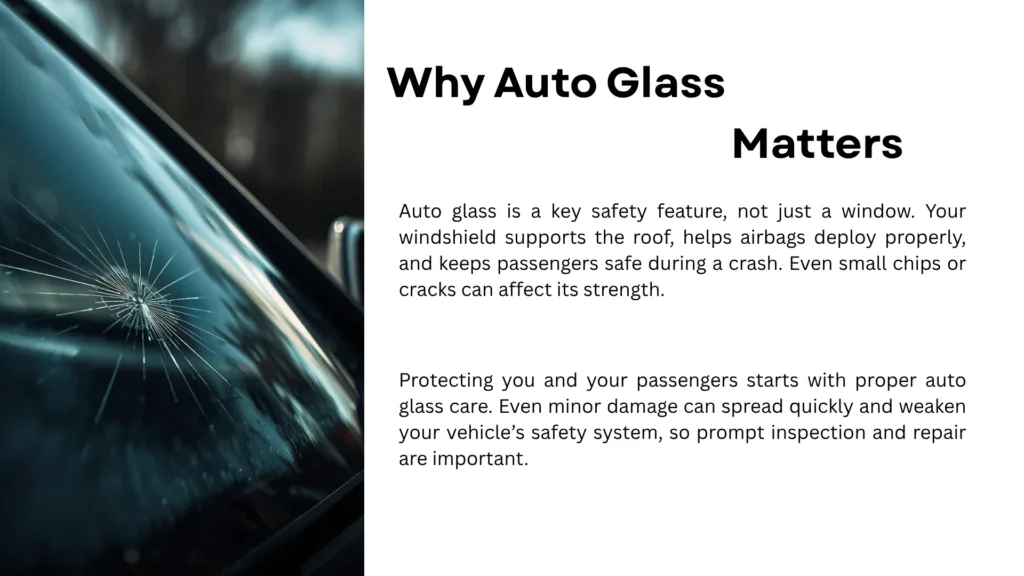
Auto glass damage takes many forms, each with its own safety risks and repair strategies.
A chip, a crack, or a shattered window can quickly turn a routine drive into a serious safety concern.
Whether it’s a star-shaped chip from a flying pebble or a long crack snaking across your windshield, prompt attention is vital for driver and passenger protection.
Types of Auto Glass Damage: What Matters Most
Picture this: you return to your car and spot a webbed crack on your windshield.
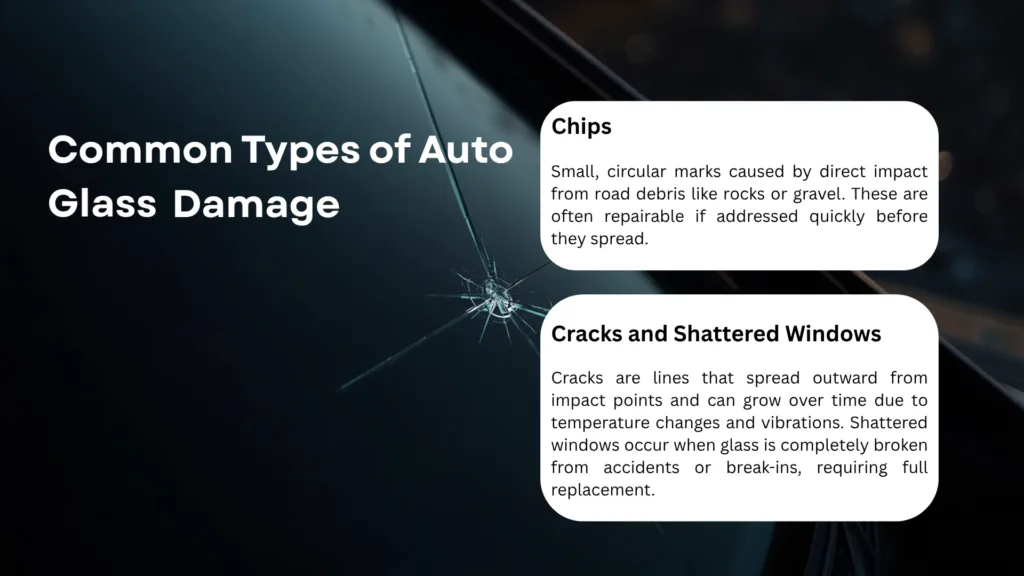
Common types of auto glass damage include:
- Chips: Small, often circular marks from direct impact.
- Cracks: Lines spreading out from a point of impact. These can grow over time with temperature changes and vibrations.
- Shattered windows: When glass is broken completely, often from accidents or break-ins.
Even a minor chip can quickly escalate, especially in extreme weather or rough driving conditions.
Why Fast Repair is Essential for Safety
Delay can compromise the structural integrity of your car.
A weakened windshield may not protect you in a collision, and a shattered side window can expose your vehicle to weather and theft.
Repairs are more than cosmetic—they’re a first line of defense for your safety.
Many insurance companies stress immediate service to avoid further costs and hazards.
Typical Auto Glass Scenarios and Service Thresholds
Most common repairs include:
- Windshield: Most frequently damaged, especially from debris.
- Side windows (door glass): Prone to break-ins and accidents.
- Rear glass: Often affected by rear-end collisions or defroster failures.
When deciding between repair and replacement, these thresholds matter:
| Damage Type | Repair Possible? | Replacement Needed? |
|---|---|---|
| Chip < 1 inch | ✅ Yes | 🚫 No |
| Crack < 6 inches | ✅ Sometimes | ❌ Not if near edge/sensor |
| Shattered Glass | 🚫 No | ✅ Always |
| Damage in Driver View | 🚫 No | ✅ Yes |
For fast guidance, remember: damage larger than a credit card or in your line of sight usually means replacement is safest.
Knowing When to Repair or Replace
“Clear glass is safe driving—never risk vision or security for savings.”
Expert technicians use precise thresholds and advanced tools to protect both clarity and structure of your vehicle.
When in doubt, act quickly—ignored chips become cracks, and cracks don’t heal themselves.
All it takes is a sudden temperature change or a harsh bump in the road for small damage to become a big problem.
Trust Discount Auto Glass for fast, reliable answers—because every repair starts with your safety first.
Typical 2026 Costs for Car Window Repair and Replacement
Windshield Replacement (Front Glass)
Replacing a front windshield in 2026 comes with clear ranges. Expect $250–$800 for most sedans; luxury cars or vehicles with ADAS features (like cameras, sensors, HUD) are priced $600–$1,000+—and can run well over $1,000 for the newest models.
Key cost drivers include:
- Glass type: OEM glass is typically 20–30% more than aftermarket.
- Technology: ADAS, rain-sensing wipers, and sensor recalibration can add several hundred dollars.
- Vehicle class: Mainstream cars fall near the average; luxury or rare models see higher pricing.
A professional install guarantees safety, warranty coverage, and that all sensors are calibrated correctly—DIY jobs can risk leaks and affect advanced features.
Be prepared: “For vehicles with ADAS, recalibration is not optional; it’s required for safety and function.”
Windshield Repair (Chips and Cracks)
Small chip on your windshield? $60–$100 is standard for a single repair. Multiple chips or larger cracks: $100–$150+.
Repair is generally possible if:
- The chip is away from sensors and not blocking the driver’s view
- The crack is smaller than a dollar bill
- Damage isn’t near the edge or spreading
Professional repair keeps your view clear and your car safe—and saves hundreds over replacement.
Get key tips in “Windshield Chip and Crack Repair Guide – What You Need to Know.”
Side Window Replacement (Door Glass)
Replacing a side window averages $100–$350 per window, with most landing near $275. DIY parts range from $50–$300, but pro service covers fit, security, and warranty.
Factors that impact cost:
- Manual versus power windows
- Vehicle make, model, glass availability
- Factory tint or privacy glass
Scenario: A standard sedan’s rear driver’s side replacement might be $210; a luxury SUV with privacy tint will run closer to $350 or more.
Rear Window (Back Glass) Replacement
The rear window usually costs $200–$450; most pay about $350. Replacement rises if you have:
- Defrosters/defoggers built in
- Antennas or advanced tint
Safety and clarity for back glass matter for night driving and road security. Insist on quality material and a written warranty—your rear defroster is a winter essential.
State- and Region-Specific Price Variations
In states like California, windshield replacement can range from $100 to $2,400+, showing how location, local labor rates, and specialty glass can shift your final bill.
Ensure you:
- Communicate your vehicle’s year, model, and tech features up front
- Ask shops for detailed, personalized quotes
Learn more in “How Location Affects Auto Glass Repair Costs.”
Quick Reference: 2026 U.S. Cost Table
| Service | Typical Cost Range | Notes |
|---|---|---|
| Windshield repair (small chip) | $60–$100 | Per chip |
| Windshield repair (complex) | $100–$150+ | Multiple / large cracks |
| Windshield replacement (sedan) | $250–$800 | Avg. $450–$525 |
| Windshield replacement (luxury) | $600–$1,000+ | ADAS recalibration required |
| Side window replacement | $100–$350 | Avg. $275 |
| Rear window replacement | $200–$450 | Avg. $350 |
Before booking, always look for quotes that include:
- Itemized glass type, labor, recalibration if needed, and warranties
- Clear exclusions and upfront fees
- Safety and customer care commitments
When it comes to car window repairs, “clear pricing means clear vision and safer driving.” As you compare costs, focus on quality, safety, and real warranty support—your peace of mind is always worth the investment.
Major Factors That Influence Car Window Repair and Replacement Costs
Vehicle Make, Model, and Year
The year, make, and model of your car is the single most important detail impacting cost.
Imagine repairing a window on a basic sedan versus a new electric SUV—expect a major price gap.
- Luxury vehicles, hybrids, or rare models often have glass that’s harder to source, pushing up both part and labor pricing.
- 2026 models commonly include advanced driver-assistance systems (ADAS), cameras, and sensors integrated into the glass, adding extra costs for recalibration.
- Always provide your exact vehicle details (year, trim, features) to get an accurate, realistic estimate.
“The same chip can cost $100 on a sedan, but $1,000+ in a luxury SUV with ADAS—precision matters.”
—
Glass Type and Technology Features
Not all auto glass is created equal—your glass choice and built-in tech make a huge difference.
Here’s how:
- OEM glass (from the vehicle’s maker) typically costs 20–30% more than aftermarket but offers a perfect fit and maintains manufacturer safety standards.
- Additional features add up quickly:
- Smart tech like ADAS, lane-keep assist, HUD, and rain-sensing wipers require specialized, pricier glass.
- Defrosting wires, embedded antennas, or privacy tints further increase costs.
- In 2026, sensor recalibration is standard after most windshield jobs—factoring $150–$400+ into estimates.
“Advanced features mean more safety but also higher repair costs—always ask which technologies are part of your glass.”
—
Installation Complexity and Labor
Professional quality work ensures clear, long-lasting results—don’t let labor shortcuts undermine your safety.
Key points:
- Frameless or glued panels, specialty glass shapes, or difficult-to-reach areas require additional time and expertise, boosting labor charges.
- Choosing low-cost providers can backfire:
- Risks include leaks, wind noise, or compromised airbag function—never trade safety for a bargain.
- Technicians should follow OEM standards and quality controls for every install.
“A cheap job could leave you with wind noise, leaks, or worse—always choose professionalism over saving a few bucks.”
—
Warranty, Service Quality, and Provider Reputation
What you get after the repair matters as much as the repair itself.
Look for:
- A written warranty covering both glass and labor—this should be standard for any reputable provider.
- Clear, itemized quotes and transparent communication signal a trustworthy business focused on long-term relationships.
- Providers like Discount Auto Glass stand out by prioritizing integrity, reliability, and customer safety, earning outstanding customer satisfaction scores.
“Clarity, safety, and support—choose providers who stand behind their work and put your wellbeing first.”
—
The takeaway: share your vehicle’s details, know which technologies affect your costs, and focus on professional service with solid warranties. With transparency and expertise, you protect your budget—and your safety—every mile.
How to Compare Auto Glass Quotes and Choose a Reliable Provider
What Should Be Included in a Quote?
A trustworthy auto glass quote should always provide an itemized breakdown. Look for clear listings of:
- Glass type (OEM or aftermarket, including features like tint or ADAS sensors)
- Labor costs (installation, technician time)
- Recalibration fees (if needed for cameras or sensors)
- Mobile service fees (if a technician comes to you)
- Glass disposal/recycling charges
- Warranty coverage on parts and labor
If you receive a quote with vague descriptions or missing information, that’s a major red flag. Always ask:
- “Will my quote cover sensor recalibration if required?”
- “Is this price for high-quality OEM glass or an aftermarket option?”
- “What is your written warranty policy?”
Unrealistic timelines, lowball prices, or a lack of warranty should set off alarm bells—your safety and satisfaction depend on full transparency.
“If it’s not in writing, it’s not protected—clarity in your quote equals confidence in the service.”
Evaluating Quality and Safety Standards
Ask about a provider’s certifications and insurance coverage before you commit. Top auto glass shops boast:
- Certified, manufacturer-trained technicians
- Full business liability coverage
- Industry memberships (e.g., NGA, AGSC)
- Verified, positive customer reviews
- Clear, prompt communication throughout the process
Look for signs of commitment to safety. Picture a technician triple-checking a clean, blue-glass install—each step guided by quality control and modern safety protocols. When safety is the focus, professionalism shines through.
“Trusted providers build their business on every single safe, expertly-installed window.”
The Value of Customer-Centered Service
A provider should be focused on your safety, satisfaction, and long-term peace of mind. Here’s what sets customer-first auto glass companies apart:
- Transparent communication and honest recommendations
- Follow-up support for issues after installation
- Long-term warranty and satisfaction pledges
- Strong testimonials, such as “Discount Auto Glass restored my car’s clarity and left me feeling truly cared for.”
“Clear Vision, Safe Driving” isn’t just a tagline—it’s a real promise customers remember every time they get behind the wheel.
The most reputable providers empower you to drive with confidence, knowing your auto glass repair was handled with integrity, professionalism, and true care for your safety.
Making the Decision: Repair or Replace Your Car Window
Safety and Legal Considerations
Picture this: you’re driving to work and notice a new crack winding across your windshield. It’s not just about looks—your safety and the law are at stake.
A repair is only legal and effective when:
- The damage is smaller than a dollar bill
- It’s located at least 2 inches from the glass edge
- It’s outside the driver’s direct line of sight
- It’s not interfering with critical sensors or ADAS features
2026 regulations require that any windshield damage must not block your view, especially in front of sensors supporting lane-keep assist or emergency braking. “A compromised windshield is a compromised safety system”—a rule every driver should remember.
Long-Term Value and Total Cost of Ownership
Choosing high-quality materials and certified installation now means lasting benefits for your safety and wallet.
Paying more today delivers:
- A stronger, crack-resistant factory-sealed window
- Full integration with safety tech—no malfunctions or warning lights
- Better resale value (dealerships and buyers want proof of quality glass)
On average, OEM glass costs 20–30% more than aftermarket, but it’s engineered for a custom fit. “Cheap fixes add up—one premium repair saves you repeated expenses and headaches.”
Making the Right Decision for Your Situation
The smartest move matches your needs to your circumstances. Let’s break it down:
Consider replacing if:
- The glass is shattered, deeply cracked, or distorts your vision
- The crack is near a sensor, camera, or in a heated/defroster zone
- You drive in extreme climates or high-traffic areas where strength is crucial
Repair could work when:
- Minor chips or single cracks meet the safety checklist above
- Your insurance covers repairs at little or no cost
- Your vehicle isn’t equipped with advanced tech near the crack
For fleet owners and dealerships, consistent documentation and premium repairs maintain your investment.
At Discount Auto Glass, we know every decision has stakes. If you’re unsure, send us your vehicle details and damage photos for a prompt, expert recommendation. “Clear vision and safe driving always come first—every time.”
Making an informed choice on car glass means safer journeys today and peace of mind for years ahead. Focus on safety, quality, and transparency for a decision you’ll never regret.
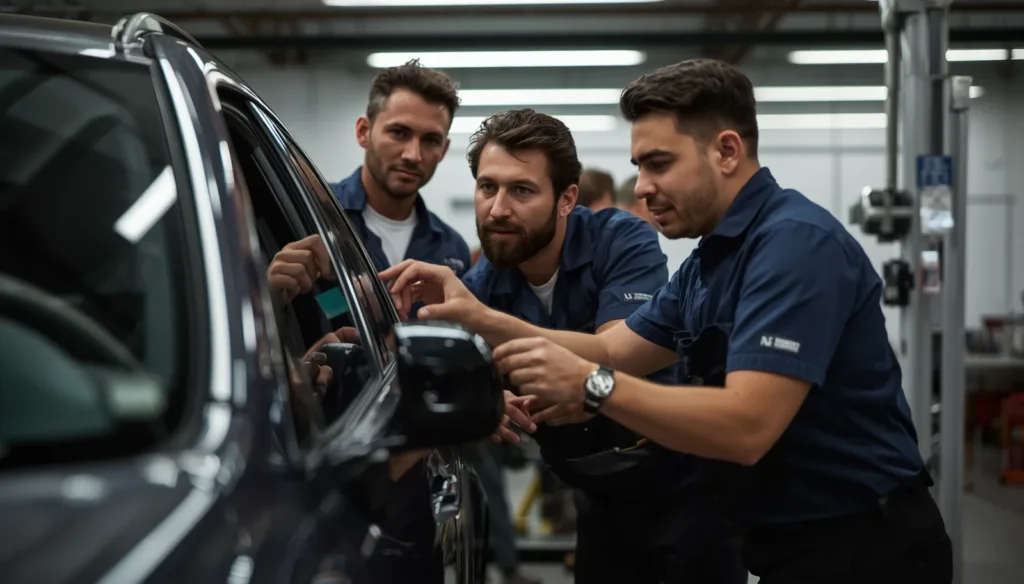
Choosing how to fix your car window isn’t just about price—it’s about keeping you, your passengers, and your vehicle safe on every journey.
By understanding repair options and prioritizing transparency, service quality, and safety, you gain peace of mind and protect the value of your investment.
—
Here’s how you can drive forward confidently:
- Get a detailed, itemized quote—including glass type, recalibration, and warranty—before any repair
- Choose certified, reputable providers with a proven focus on safety, not shortcuts
- Review your car’s features—especially for advanced sensors or ADAS—to prevent expensive surprises
- Act quickly when you spot damage to avoid small chips turning into costly replacements
- Ask about written warranties and post-installation support to safeguard your investment
—
Ready to take the next step?
- Snap a clear photo of your damage and your vehicle details
- Contact a trusted auto glass specialist and request a transparent, itemized estimate
- Prioritize safety—never delay repairs that impact driver visibility or sensor function
—
Every repair or replacement is an investment in your confidence and your car’s long-term safety.
Choose clarity—choose confidence—and remember: safe driving starts with a clear view.
Let “Clear Vision, Safe Driving” guide you—your peace of mind is worth every step.
FAQ
1. What affects Costs to Fix a Car Window the most?
The biggest factors include vehicle type, glass technology, and whether ADAS recalibration is required. Luxury vehicles usually have higher repair costs due to more advanced systems and specialized glass.
2. Why do modern vehicles have higher repair costs?
Modern sensors and safety systems increase the overall cost because repairs often require recalibration and specialized glass components that are more complex to install.
3. Can small damage reduce repair expenses?
Yes, addressing chips early can significantly lower costs, as minor repairs are far cheaper than full replacements. Quick action helps prevent damage from spreading.
4. Does insurance cover these repairs?
In many cases, insurance can reduce out-of-pocket expenses, especially for windshield repair or replacement, depending on your policy coverage and deductible.
5. Are side windows cheaper to fix?
Yes, side windows usually cost less compared to windshields unless they include advanced features like sensors or factory tinting.
Thank you for choosing Discount Auto Glass. Fast, reliable service with a lifetime guarantee. Visit us or enjoy our mobile service.