
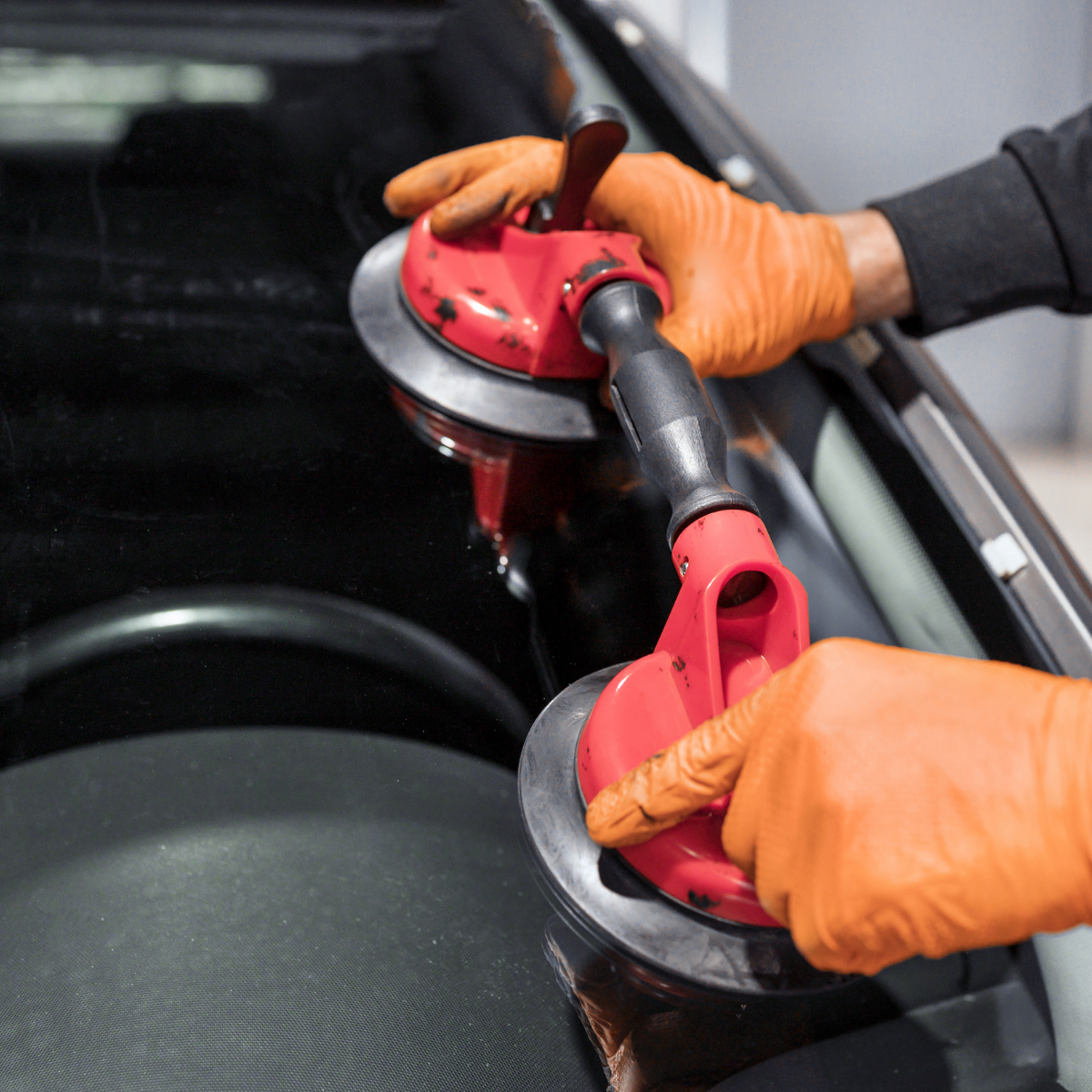
October 25, 2025
Step-by-Step Guide to Auto Glass Repair 2025
Key Takeaways
Step-by-Step Guide to Auto Glass Repair ensures a safe, clear windshield is essential for both driving comfort and vehicle safety. This step-by-step guide walks you through how to assess, repair, and maintain auto glass using the latest standards and technologies in 2025—empowering you to act fast and make the best decisions for your vehicle.
-
Prioritize quick action on chips and cracks—damage under 1 inch (chips) or 6 inches (cracks) is often repairable and much cheaper than full replacement if addressed immediately. Step-by-step guide to auto glass repair highlights these early actions for cost efficiency.
-
Certified technicians and AGSC/ANSI standards are non-negotiable for safety, especially for vehicles with sensors or ADAS features—improper installation can increase airbag or sensor failure risk by up to 60%. Following a step-by-step guide to auto glass repair ensures compliance.
-
Modern nano-resins and eco-friendly adhesives restore up to 90% of original glass strength and cure quickly, often allowing safe driving within 60 minutes post-repair.
-
DIY kits are suitable only for minor, isolated damage—chips smaller than 1 inch, cracks under 6 inches, and away from ADAS sensors—otherwise, always consult a pro.
-
Professional windshield replacement includes precise removal, frame inspection, AGSC-approved adhesives, and ADAS recalibration—guaranteeing long-term clarity and safety for every journey. Step-by-step guide to auto glass repair outlines each process for DIY awareness.
-
Choose service providers who offer transparent pricing, certified personnel, and warranty-backed work—this ensures no hidden costs and peace of mind.
-
Routine maintenance—cleaning with ammonia-free products, parking smart, and early inspections—can double your glass’s life and save hundreds on repairs.
-
Early attention and professional help keep you safer, lower your costs, and maintain your vehicle’s value, all while supporting eco-friendly repair practices. Step-by-step guide to auto glass repair encourages proactive care.
Explore the full guide for step-by-step instructions, expert tips, and everything you need to keep your auto glass—and your driving—crystal clear and safe. For more details on auto glass, see Auto Glass Wikipedia.
Introduction
A single pebble launched from a passing truck. That’s all it takes—one quick hit, and suddenly a tiny chip or crack appears on your windshield.
Step-by-Step Guide to Auto Glass Repair emphasizes the importance of immediate action: over 80% of untreated windshield chips become bigger cracks within just a few weeks, putting your safety and your vehicle’s integrity at risk.
Every driver has faced that sinking feeling: Should you fix a small chip now or wait until it grows? Deciding when to repair vs. replace—and how to do it right—can be the difference between a quick fix and a costly, unsafe problem.
With new technology and stricter safety standards in 2025, knowing what’s repairable and how to keep your auto glass strong is more crucial than ever. Whether you’re a busy parent, fleet manager, or dealership owner—clear glass and safe driving are non-negotiable.
In this step-by-step guide to auto glass repair, you’ll gain:
-
Expert knowledge on when a chip is safe to repair and when full replacement is the only option
-
Safety-first DIY techniques for minor damage and tips for knowing when to call a pro
-
Transparent insights into today’s repairs, from new eco-friendly materials to advanced tech and ADAS calibration
-
Proven habits for maintaining your windshield’s strength and your passengers’ safety
-
Honest answers to the most common questions about cost, insurance, and service standards
You deserve clear guidance, trustworthy service, and real peace of mind—not confusing jargon or hidden risks. Whether you want to fix a small chip at home or ensure your fleet meets the latest safety benchmarks, every answer here puts your safety and budget first.
Ready to find out exactly what type of damage you’re facing, and the smartest next step to stay safe on the road? Let’s start by identifying the most common types of auto glass damage—and what they really mean for you.
Understanding Auto Glass Damage and Repair Options
Auto glass damage happens fast—and knowing your options keeps you safe and saves money. Every year, over 7 million windshields are repaired or replaced in the U.S., with damage most often caused by:
-
Road debris and rocks
-
Temperature swings (hot/cold stress cracks)
-
Accidents, minor collisions, or falling objects
Picture this: A pebble strikes your windshield on the highway, leaving a small, star-shaped chip. That tiny mark can quickly spread, threatening your visibility—and safety—if left unchecked.
Step-by-Step Guide to Auto Glass Repair helps you quickly assess:
-
Chip or crack size: Chips under 1 inch and cracks under 6 inches are often repairable.
-
Depth: Is the damage just on the surface, or does it go through both glass layers?
-
Location: Cracks near the edge, in the driver’s view, or close to ADAS sensors (like lane-keeping cameras) may require a full replacement.
Industry rule of thumb: If you can cover the damage with a quarter, repair is often possible. But cracks in high-tech areas or at the glass edge call for replacement.
Real-World Repair vs. Replacement Decisions
-
Scenario 1: A nickel-sized chip away from sensors—safe for professional repair, often finished in less than 30 minutes.
-
Scenario 2: A 7-inch crack growing across your line of sight or close to rain sensors—replacement is necessary for your safety and vehicle compliance.
DIY repair kits are only recommended for chips <1 inch and cracks <6 inches; professionals should handle anything else.
Act soon: Small damage can spread up to 80% of the time within weeks, especially in extreme temperatures. Quick action means better outcomes and lower costs.
Types of Auto Glass and Unique Considerations
Modern vehicles contain several glass types, each needing a different approach:
-
Windshields: Laminated for safety, often with built-in sensors or HUD displays.
-
Side and rear windows, sunroofs: Usually tempered; when damaged, they typically shatter and must be replaced.
-
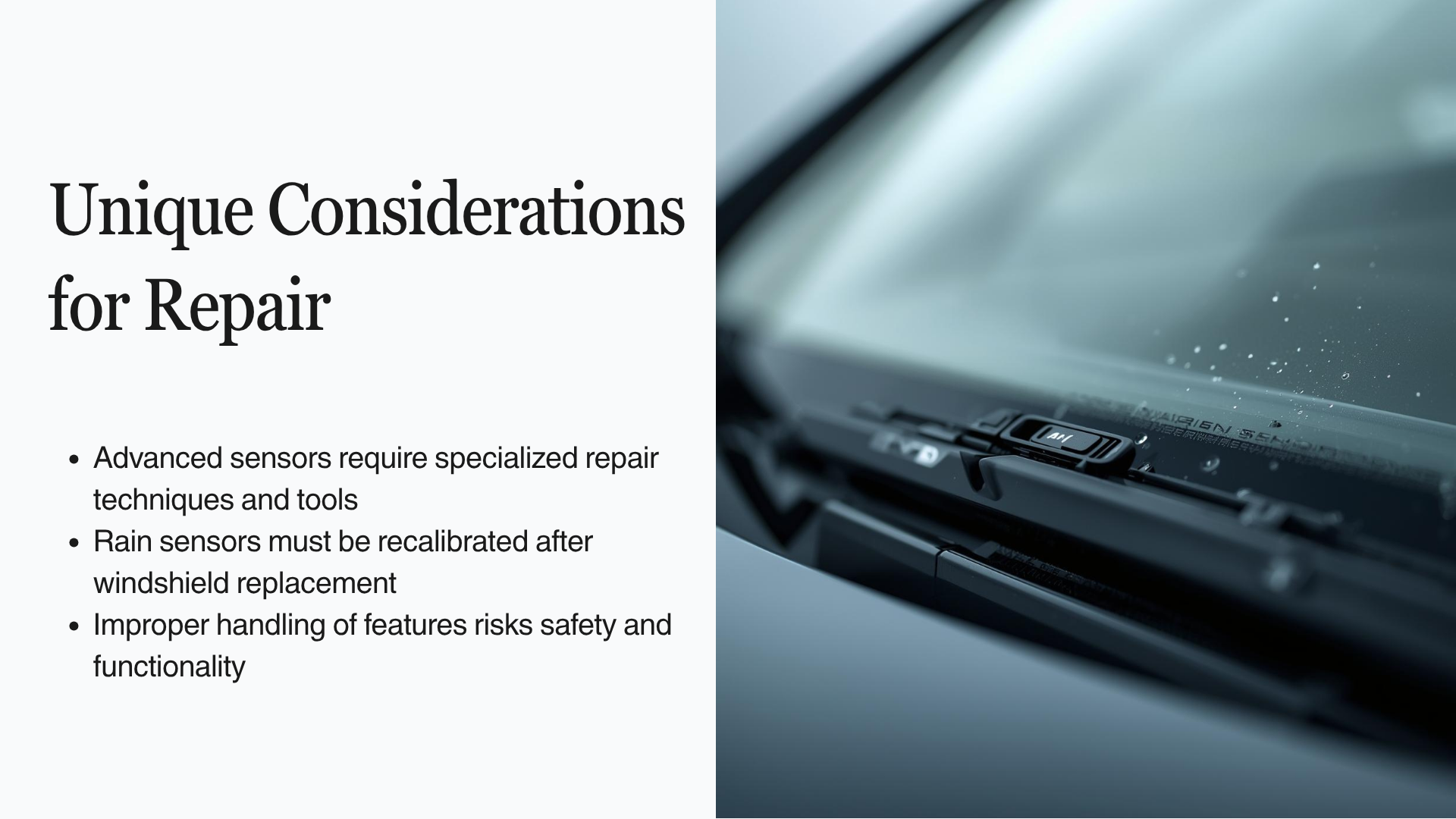
Advanced features: Rain sensors, ADAS cameras, or heating elements can complicate repairs—special tools and certified expertise are essential.
“Clear Vision, Safe Driving:” Trusting a certified provider ensures you don’t compromise quality or risk your safety on today’s tech-rich vehicles.
Key takeaway: Always assess the type, size, and location of the damage. If in doubt, consult a certified technician to protect your investment and your peace of mind.
Safety and Quality Standards in Auto Glass Repair
When it comes to auto glass repair, safety is never optional—it’s the foundation of every successful service. In 2025, leading providers strictly follow AGSC (Auto Glass Safety Council) and ANSI safety standards to guarantee both your vehicle’s structural integrity and your peace of mind.
-
Certified Work: Certified technicians, insurance-approved protocols, and precise documentation ensure compliance.
-
Modern Materials: Nano-resins restore up to 90% of original strength; eco-friendly adhesives meet new environmental standards.
-
Professionalism: Warranty-backed repairs, clear communication, and technician training protect both vehicle and driver.
DIY Auto Glass Repair for Minor Damage
When to Choose DIY Repair
DIY repairs are best suited for:
-
A chip less than 1 inch in diameter
-
A crack under 6 inches (not spidering)
-
Located away from the driver’s direct line of sight or embedded sensors
If damage is larger, deep, or near ADAS, professional service is safest.
5 Steps for a Safe, Quality DIY Repair
-
Clean the Area
-
Prep and Inject Resin
-
Cure the Resin
-
Remove Excess and Polish
-
Inspect and Repeat if Needed
Professional Windshield Replacement: What to Expect
Certified technicians prioritize:
-
Safety: Ensuring no cracks affect sensors, airbags, or driver visibility
-
Quality: Using AGSC-approved adhesives and certified processes
-
Transparency: Clear estimates and honest consultation
Replacement Process: Safe removal → Frame care → Adhesive application → Precise installation → Component reinstallation → ADAS recalibration.
Advanced Technologies and Trends (2025)
-
Nano-resins for seamless chip repair
-
Smart glass with sensors and heating elements
-
Eco-friendly adhesives for sustainability
-
ADAS recalibration and advanced technician training
Maintaining Auto Glass for Safety and Longevity
-
Regular cleaning with ammonia-free products
-
Protect from debris and temperature extremes
-
Inspect for chips/cracks regularly
-
Prompt repair of minor damage saves hundreds and extends glass life
“Clear vision, safe driving—regular care keeps your windshield strong when you need it most.”
FAQ
What is the Step-by-Step Guide to Auto Glass Repair?
The Step-by-Step Guide to Auto Glass Repair is a detailed resource explaining how to inspect, repair, and maintain auto glass safely. It covers chip and crack repair, proper use of DIY kits, professional replacement procedures, and compliance with AGSC and ANSI standards, ensuring both safety and durability.
How soon should I use the Step-by-Step Guide to Auto Glass Repair after damage occurs?
Immediate action is critical. The Step-by-Step Guide to Auto Glass Repair recommends repairing chips under 1 inch or cracks under 6 inches as soon as possible. Quick attention prevents damage from spreading, protects ADAS sensors, and can save hundreds on full replacement.
Can I do Step-by-Step Guide to Auto Glass Repair myself?
Minor damage can be addressed using DIY kits. The Step-by-Step Guide to Auto Glass Repair outlines safe DIY steps for chips less than 1 inch and cracks under 6 inches away from sensors. Anything larger or near ADAS should be handled by certified technicians.
What materials are recommended in the Step-by-Step Guide to Auto Glass Repair?
The guide emphasizes modern nano-resins and eco-friendly adhesives, which restore up to 90% of glass strength and cure quickly. These materials ensure long-lasting repairs and align with 2025 environmental standards for sustainable auto glass care.
Why should I follow the Step-by-Step Guide to Auto Glass Repair for vehicle maintenance?
Following the Step-by-Step Guide to Auto Glass Repair keeps your windshield safe, maintains vehicle value, and prevents costly repairs. It also ensures compliance with safety standards, supports eco-friendly practices, and provides practical tips for inspection, cleaning, and routine maintenance.
Conclusion
Step-by-Step Guide to Auto Glass Repair proves that safety is non-negotiable. Proper care, early repairs, and expert service keep your vehicle safe, maintain technology function, and protect your investment.
Discount Auto Glass delivers certified expertise, transparent service, and eco-friendly repair practices. By following the principles in this guide and working with Discount Auto Glass, you ensure long-term clarity, safety, and peace of mind. Explore professional inspections and maintenance resources to stay ahead.
Thank you for choosing Discount Auto Glass. Fast, reliable service with a lifetime guarantee. Visit us or enjoy our mobile service.