
October 8, 2025
Auto Glass Repair Costs Without Insurance: 2025 Guide
Auto Glass Repair Costs Without Insurance
In 2025, when dealing with Auto Glass Repair Costs Without Insurance, you must balance cost, safety, and repair quality. This guide helps you make confident decisions—ensuring your repairs are transparent, efficient, and always prioritize your safety.
Key Takeaways
-
Handling Auto Glass Repair Costs Without Insurance in 2025 involves balancing cost, safety, and quality. These actionable insights help you make confident decisions—ensuring repairs are transparent, efficient, and always prioritize safety.
-
Out‑of‑pocket auto glass repairs are often affordable—most windshield chip repairs cost $50–$150, which is usually less than a typical insurance deductible.
-
Choose certified professionals who provide clear estimates and back their work with warranties to guarantee both safety and satisfaction.
-
Advanced features like ADAS or heated glass may raise replacement costs to $600–$1,200+, and skipping the required calibration risks critical safety systems.
-
Location and provider choice matter—independent shops are typically 20–40% less expensive than dealerships, while mobile service adds convenience for an extra $25–$75.
-
Always collect at least two detailed, written quotes and confirm all fees (including calibration, disposal, taxes). That step alone can save $50–$300, especially for luxury or tech-heavy vehicles.
-
Don’t delay minor repairs—fixing a small chip early (for about $100) can prevent it from turning into a $700 replacement, protecting both your wallet and your safety.
-
Seek transparency and customer-first values: upfront pricing, clear process explanations, and recognized certifications are signs of a trustworthy provider.
-
Building a long-term relationship with a reliable glass specialist gives you ongoing support, regular maintenance reminders, and long-term safety for every drive.
Choosing safety, quality, and reliability over shortcuts leads to clearer vision and safer driving every time. Read the full article below to arm yourself with everything you need for smart, confident decision-making in auto glass repair.
Introduction
Imagine a single pebble striking your windshield—suddenly your clear view is interrupted by a spreading chip. Now you face the real question: do you handle the damage yourself or go through insurance?
For many drivers in 2025, choosing to manage Auto Glass Repair Costs Without Insurance is the smarter, faster option. Why? Because most minor glass issues cost far less than the average deductible. In fact, Auto Glass Repair Costs Without Insurance for small chips and cracks typically range from $50 to $150 — well below what you’d pay out-of-pocket even with coverage.
By skipping the insurance claim, you gain full control over who works on your car, what materials they use, and when the repair happens. Plus, avoiding the paperwork and delays that come with filing a claim makes Auto Glass Repair Costs Without Insurance even more appealing.
Paying yourself puts you in the driver’s seat with these advantages:
-
Speedy repairs — no paperwork, no waiting for insurance approvals
-
Freedom to choose a local, trusted technician who focuses on quality
-
Upfront pricing with zero hidden fees or premium hikes
But safety is never optional. Your windshield is a critical component of your car’s safety system—especially in vehicles equipped with advanced features like ADAS. Even minor mistakes can disrupt lane-keep assist, airbags, or structural integrity. That means repair quality isn’t optional—it’s essential.
This guide is for anyone who faces auto glass damage and wonders what repair costs look like without insurance in 2025. You’ll discover:
-
Realistic pricing trends and the impact of technology on your bill
-
Tips to identify reliable shops that put safety and transparency first
-
Strategies to save money—without cutting corners on quality
True peace of mind comes from knowing what to expect, which questions to ask, and how to ensure every repair meets the highest standards—so you can hit the road again with total confidence.
Ready to see how drivers are saving time, stress, and money, while protecting their vehicles? Let’s dive into Auto Glass Repair Costs Without Insurance and what you should consider.
Understanding Auto Glass Repair Costs Without Insurance in 2025
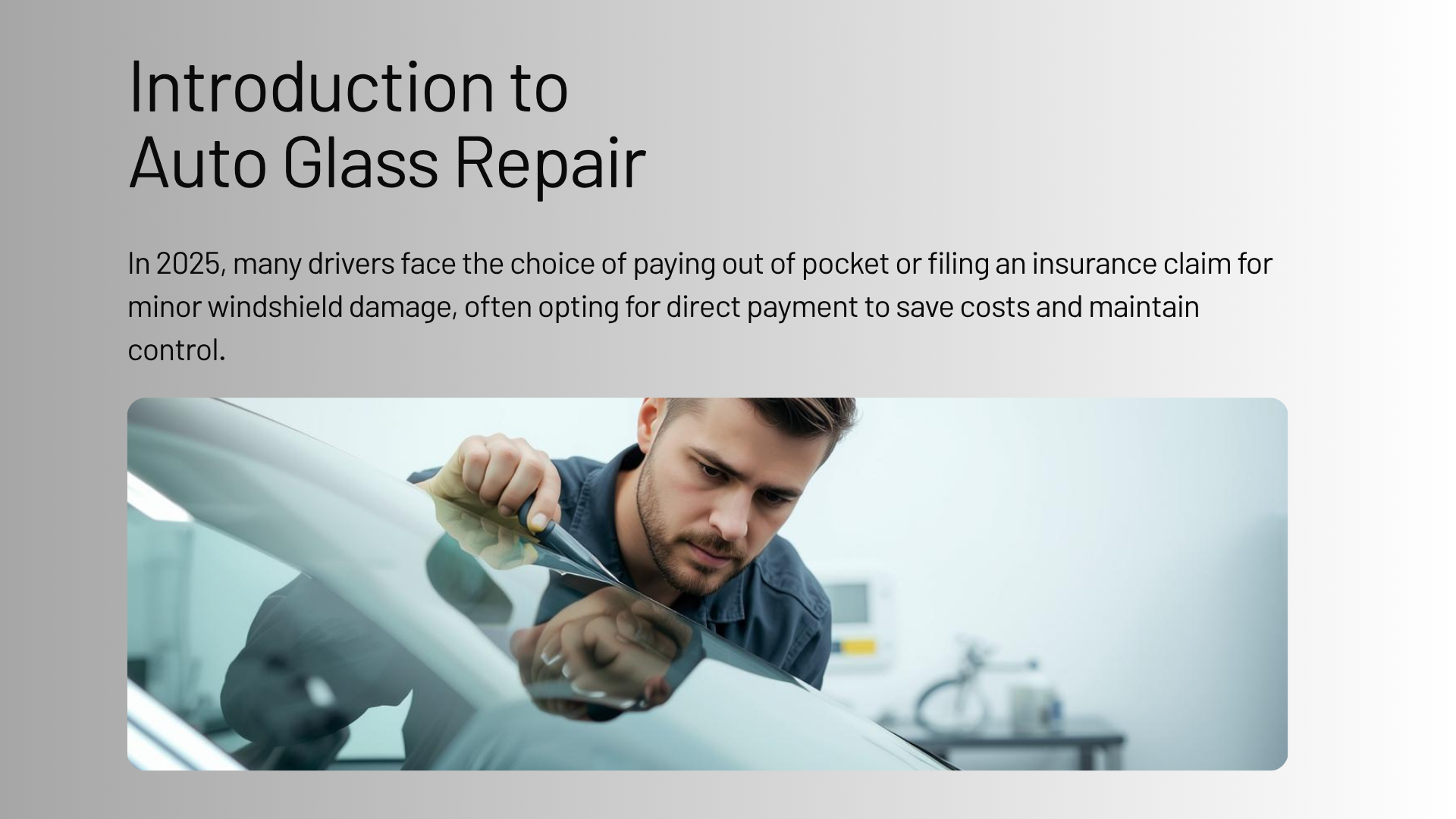
Paying for auto glass repair costs without insurance is more common than you might think in 2025 — and often more practical, too.
Many car owners choose to handle auto glass repair costs without insurance to avoid premium increases, retain control over repair standards, or simply fix minor damage that falls below their deductible.
Picture this: a stone chips your windshield during your morning commute. Instead of waiting days for insurance approval, you call your preferred shop and get it fixed that afternoon — often for just $50–$150. That’s one of the clearest examples of how auto glass repair costs without insurance can be quicker, cheaper, and less of a hassle.
Why Some Car Owners Pay Out of Pocket
-
Immediate repairs with no claim processing delays
-
Freedom to choose your preferred provider and materials
-
Avoiding insurance paperwork and coverage limitations
For small cracks and chips, auto glass repair costs without insurance are often far less than a typical deductible — making out-of-pocket repair the smarter choice for many in 2025.
Quality and Safety Come First
Regardless of who pays, your safety always matters most — and understanding Auto Glass Repair Costs Without Insurance is key to ensuring both safety and value.
Cheap fixes or shortcuts may put you at risk—especially when advanced tech or sensors are involved. Vehicles equipped with ADAS features often require post-repair calibration, which can add $100–$500 to Auto Glass Repair Costs Without Insurance. Skipping that step could compromise your vehicle’s safety systems and result in even higher long-term costs.
When evaluating Auto Glass Repair Costs Without Insurance, be sure to look for:
-
Certified technicians who follow strict safety protocols
-
Clear explanations of the repair process
-
Transparent estimates with no hidden fees
A professional repair not only ensures your glass meets both manufacturer and legal standards — it also gives you peace of mind, knowing your Auto Glass Repair Costs Without Insurance were well spent.
Transparency & Professionalism Matter
Reputable shops stand out by:
-
Providing detailed estimates up front
-
Offering written warranties on workmanship and parts
-
Explaining “need-to-know” details — e.g. when full replacement is safer than a simple repair
-
Ensuring you understand all charges before work begins
Imagine a clean, bright shop where technicians welcome your questions—a place where your safety is prioritized ahead of profit every single time.
2025 Average Costs for Auto Glass Repair & Replacement
Key Price Ranges & Examples
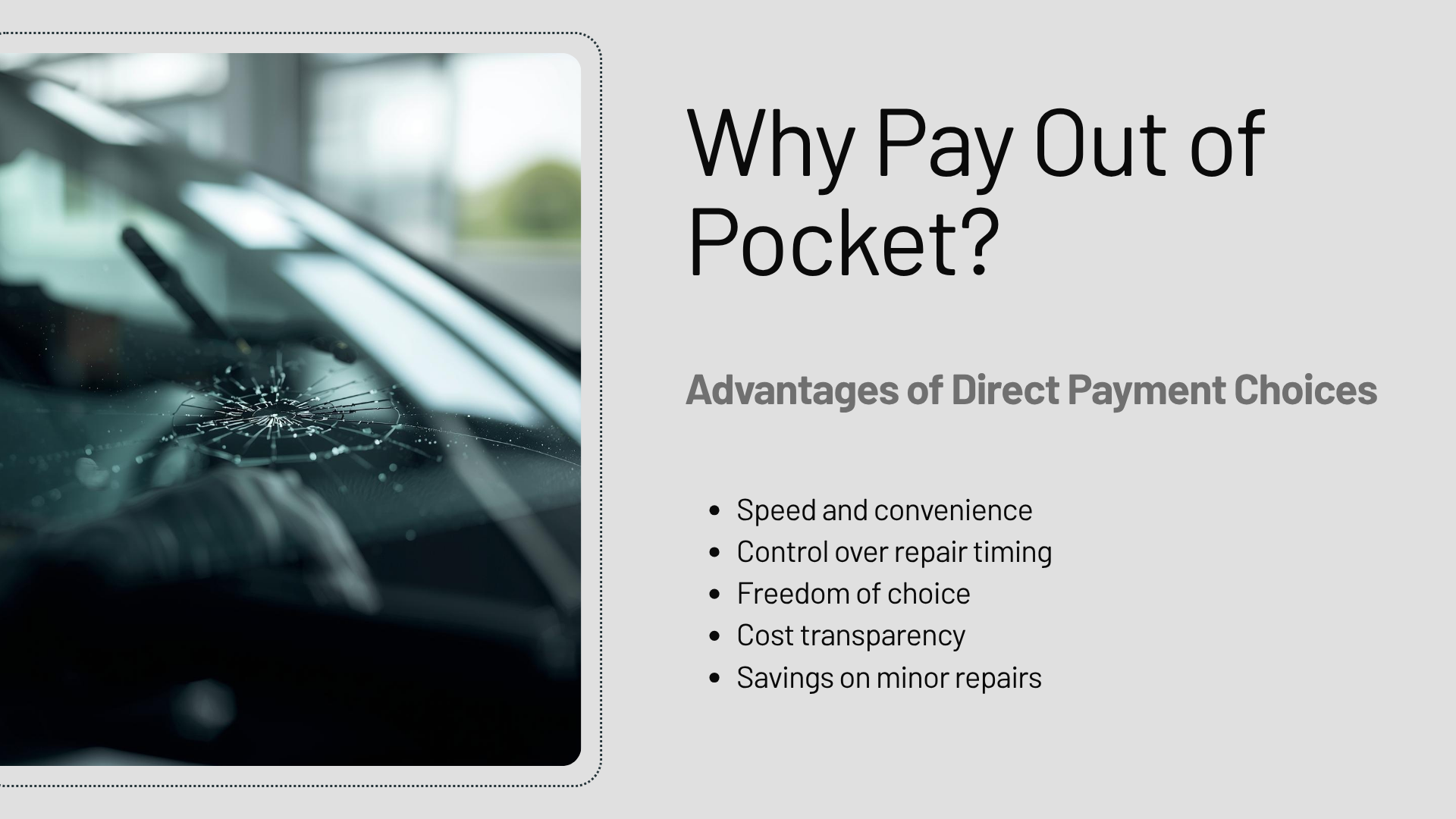
If you’re paying out of pocket in 2025, knowing typical cost ranges ahead of time helps avoid surprises. Small repairs can remain affordable, while advanced or tech-laden replacement jobs can become expensive fast.
Here’s what to expect:
-
Windshield chip repair: $50 – $150
-
Windshield replacement (basic): $200 – $600
-
Windshield replacement (with ADAS or tech): $600 – $1,200+
-
Luxury/high-end vehicles: up to $1,500+
-
Side window replacement: $150 – $400+
-
Rear window replacement: $200 – $600+
-
Sunroof/glass roof replacement: $300 – $1,000+
“A single windshield chip the size of a quarter could be fixed for less than dinner delivery, while a tech-heavy SUV windshield can approach four figures.”
For a standard sedan, a basic windshield replacement often lands between $200 and $400. Own a late-model SUV with heated features and sensors? Replacement costs can climb to $800 or more. Owners of luxury or electric vehicles (like Tesla, BMW, or Mercedes) commonly see bills of $1,200+ for specialty glass.
Where you live and which provider you choose matters too:
-
Urban or coastal markets: expect costs on the higher end
-
Dealerships: often 20–40% more expensive than respected independents
-
Mobile service: may add a $25–$75 convenience fee
Factors Affecting Out-of-Pocket Auto Glass Costs
Vehicle Type & Glass Features
The make and model of your vehicle immediately impact what you’ll pay. Regular sedans often cost less; luxury, electric, or specialty vehicles may cost up to $1,500+ for advanced windshields.
The glass features also matter:
-
Laminated vs. tempered: laminated offers better protection but often costs more
-
OEM vs. aftermarket: OEM glass ensures a factory-grade fit, usually $100–$400 more than aftermarket
-
Embedded technology: rain sensors, heating elements, ADAS sensors increase complexity—boosting replacement costs to $600–$1,200+
Ask yourself: “What features does my car rely on?”
Extent & Nature of Damage
A small chip or crack (smaller than a dollar bill) can often be repaired for $50–$150.
Large cracks or breaks that reach into the driver’s line of sight generally require full replacement—pushing your out-of-pocket cost significantly higher.
Keep in mind:
-
Rear, side, or roof glass damage nearly always demands full replacement; sunroofs may run $300–$1,000+
-
Ignoring cracks can threaten safety and escalate repair into replacement
Labor, Location & Service Model
Where and how the repair is done is as important as what is being fixed.
-
Urban areas typically charge more for labor
-
Mobile service (repairers come to you) adds convenience but may add a surcharge
-
Type of shop matters: dealerships often charge premium rates; independent shops may save you $50–$200 on the same job
Always vet your provider—top technicians carry certifications, offer transparency, and prioritize your safety.
ADAS Calibration & Related Costs
Modern vehicles often require ADAS calibration after windshield replacement. If your car relies on sensors or cameras, expect an extra $100–$500 for professional calibration.
Each manufacturer has different calibration standards—luxury models often cost more. Skipping the calibration can compromise the safety and reliability of your advanced systems, especially when managing Auto Glass Repair Costs Without Insurance.
ADAS calibration plays a critical role in maintaining driver-assist features such as lane-keeping assist, automatic emergency braking, and adaptive cruise control. Without proper calibration, even a brand-new windshield can impair system accuracy—putting you and others at risk.
When estimating Auto Glass Repair Costs Without Insurance, always ask your provider if calibration is needed, what type is required (static vs. dynamic), and whether it’s included in the quote. This small step can prevent costly errors and ensure your safety remains uncompromised.
A well‑calibrated windshield is more than just glass—it maintains your safety net and ensures your vehicle’s technology performs exactly as designed.
Ways to Find Reliable and Affordable Auto Glass Repair
Choosing the Right Repair Shop
Trust and safety start with the shop you choose. When selecting an auto glass provider, always verify the following:
- Certifications: Look for industry-recognized credentials, such as Auto Glass Safety Council (AGSC) certification.
- Customer reviews: Scan online ratings and read recent customer feedback for honest insights.
- Warranty coverage: A quality shop stands by its work; ask about both parts and labor warranties.
- Transparency: Expect clear, upfront estimates and detailed explanations of all charges.
A trustworthy provider won’t just focus on price—they’ll prioritize your long-term safety and satisfaction.
Picture this: You receive two quotes—one noticeably lower, but with vague details; another slightly higher, but offering a warranty and walking you through the repair process step by step. Peace of mind is priceless.
Comparing Quotes for True Value
Shopping around pays off in 2025. Even for the same job, windshield replacement quotes can range from $200 to $1,200+ depending on:
- Your car’s tech features (like ADAS sensors or heated glass)
- Shop type, from independent businesses to large chains or dealerships
- Location—urban vs. rural rates can differ by 15–30%
Always:
- Get at least two detailed written estimates
- Check that fees include calibration, disposal, and any taxes
- Never hesitate to ask questions about safety protocols or technician training
“Don’t just choose the lowest price—choose the provider who’s open about the process and invested in your safety.”
Payment Options and Cost-Saving Strategies
Affordability matters—but so does flexibility. Many reputable auto glass shops accept:
- Credit/debit cards, cash, and contactless digital payments
- Financing and pay-later options for repairs costing $400 or more
- Payment plans, especially for full windshield replacements with modern tech
Savings tip: Look for these offers:
- Seasonal promotions or online coupons (spring and fall are common times for deals)
- Discounts for military personnel, seniors, or fleet operators
- Community or local business partnerships for special rates
Taking action quickly can prevent a $100 chip repair from turning into a $700 replacement—early repairs save money and stress.
Key Takeaway
The best value isn’t just about the lowest number—it’s about finding an auto glass partner who’s certified, transparent, and invested in your safety. Investing in trusted repair now means safer roads and a clearer view for all your journeys.
Common Customer Scenarios
Many car owners ask: “Should I pay out of pocket or file an insurance claim?”
When considering Auto Glass Repair Costs Without Insurance, paying out of pocket often makes more sense—especially in these cases:
-
The repair cost is below your insurance deductible (most minor chips and basic replacements).
-
Insurance premiums could increase after a claim, especially for glass-only coverage.
-
You want to avoid claim history from impacting future policy renewals or coverage options.
Quick math: If your deductible is $500 and your chip repair is $100, paying cash keeps things simple—and off your insurance record. That’s a smart move when you’re trying to manage Auto Glass Repair Costs Without Insurance efficiently.
Picture this: You spot a dime-sized chip after a highway drive. Acting fast and booking a $120 repair means you skip paperwork, avoid the hassle of insurance calls, save on long-term premium hikes, and get back on the road safely.
Knowing when to use your insurance—and when not to—can help you save both time and money. For many drivers in 2025, handling Auto Glass Repair Costs Without Insurance is the fastest, most cost-effective way to maintain their vehicle and peace of mind.
Repair Timing and OEM Glass Value
Repair chips or cracks as soon as possible.
- Most chips smaller than a dollar bill can be fixed for $50–$150; waiting may force a full replacement costing $200–$1,200+.
- Even a small delay can allow cracks to spread—compromising your visibility and vehicle structure.
Is OEM glass worth it? Choose OEM glass if:
- Your car is newer or high-end—the fit, safety ratings, and appearance matter.
- You want to maintain factory integrity.
If you’re driving a standard sedan and price is key, certified aftermarket glass often strikes a safe, reliable balance.
What to Look for When Choosing a Shop
A trustworthy estimate should always specify:
- Labor charges
- Glass type (OEM vs. aftermarket)
- Additional fees like mobile repair or ADAS calibration (often $100–$500 extra).
Ask about:
- Warranty terms—look for at least a 12-month guarantee.
- Clear, written pricing—avoid surprises and hidden fees.
Mobile repairs are often:
- Convenient and only slightly higher in cost (about $20–$50 extra), but crucially, should always match shop quality and safety standards.
- Certified technicians are a must, whether at home or in-shop.
Real-World Takeaways
- Request itemized quotes from at least two shops before you decide.
- Always verify certifications—look for AGRSS or similar credentials.
- Stopping a crack early can save hundreds down the line.
Whether you’re fixing a chipped windshield in your driveway or comparing ADAS recalibration options on a tech-equipped SUV, focusing on safety, transparency, and professional standards ensures true peace of mind—not just a lower bill.
“Clear vision means safe driving—and smart, well-timed decisions today keep your out-of-pocket costs under control tomorrow.”
Ensuring Safety, Quality, and Long-Term Value
Professionalism and Safety Standards
Every auto glass repair should be measured first and foremost by its impact on your safety.
Look for technicians who:
- Wear gloves and use sterile tools to prevent contamination
- Prep and seal glass edges to manufacturer standards
- Verify all adhesives cure fully before returning the car to the road
Always ask your provider:
- “Are you certified to industry standards?”
- “Will you explain how your repair process meets manufacturer safety requirements?”
- “What’s included in your safety inspection?”
A flawless installation doesn’t just look good—it preserves your car’s structural integrity and protects you in case of an accident.
One slip during installation can compromise airbags and alter crumple zones; this is why “good enough” is never good enough when it comes to auto glass.
“High-quality service protects more than your windshield—it protects your family every time you drive.”
Building a Long-Term Relationship with Your Glass Provider
Trust and reliability transform a simple glass repair into ongoing peace of mind. And when you’re managing Auto Glass Repair Costs Without Insurance, choosing the right provider makes all the difference.
Picture this: You notice a tiny chip on your windshield, call your trusted provider, and it’s fixed before it spreads. That five-minute call could save you hundreds in future replacement costs—especially when paying out of pocket.
Top providers deliver:
-
Transparent, up-front estimates—no hidden charges
-
Certified experts who explain repairs and stand by their work
-
Solid warranties covering both parts and labor
When you’re handling Auto Glass Repair Costs Without Insurance, these qualities aren’t just “nice to have”—they’re essential. Reliable shops help you stay proactive, not reactive.
Regular inspections catch new chips before they escalate, keeping your vehicle safe and preventing a $100 repair from becoming a $1,200 replacement. This is especially important for ADAS-equipped vehicles, where improper glass work can affect system performance.
At Discount Auto Glass, we stand behind a simple promise: “Clear Vision, Safe Driving.”
Our service model is built around trust and long-term support:
-
Periodic educational reminders for glass care and safety
-
Friendly follow-ups and dedicated customer support
-
Community-driven values that focus on relationships—not just transactions
When it comes to Auto Glass Repair Costs Without Insurance, peace of mind starts with people who care about your safety—not just your sale.
“When you know your glass provider prioritizes your safety year after year, you drive with genuine confidence.”
Choosing a professional, customer-focused shop delivers both immediate safety and lasting value—so you enjoy crystal-clear views and total trust every mile you drive.
FAQ
1. Is paying out of pocket always better than filing an insurance claim?
Not always. If the repair cost is less than your insurance deductible, paying out of pocket makes sense. Furthermore, filing a claim might lead to increased premiums or claim history issues. In many cases, evaluating Auto Glass Repair Costs Without Insurance side-by-side with insurance options gives you clarity.
2. How do I know whether to repair or replace the glass?
If the damage is small and not in the driver’s line of sight, a repair (costing $50–$150) is usually adequate. But if the damage is large, reaches the driver’s view, or the vehicle has sensor-based glass, full replacement with calibration is often safer. Always get a qualified technician’s estimate to weigh your options.
3. Does ADAS or sensor technology really add to the cost?
Yes—Auto Glass Repair Costs Without Insurance often include extra charges when dealing with sensor-based or ADAS-equipped windshields. The required calibration alone can cost between $100 and $500. If this step is skipped, safety systems may malfunction.
4. Are independent shops better than dealerships?
Often, yes. Independent shops can be 20–40% cheaper than dealerships—so long as they maintain high quality. The best route is to gather multiple estimates, check credentials, and confirm warranties.
5. What should I look for when requesting estimates?
Ensure every quote includes all costs: parts (OEM or aftermarket), labor, calibration, disposal, and taxes. Ask for warranty details and full transparency in the repair process. Don’t hesitate to ask, “Are you certified?” or “How will you handle calibration?”
Conclusion
Choosing how to manage Auto Glass Repair Costs Without Insurance is about more than saving money—it’s about protecting your safety, your vehicle’s integrity, and your peace of mind.
By understanding real 2025 repair costs, prioritizing certified professionals, and acting early, you avoid inflated expenses and unsafe shortcuts. The smartest drivers today are those who stay informed and choose value over risk.
At Discount Auto Glass, we believe that transparency, certified service, and long-term relationships lead to safer roads and happier customers. Whether you’re comparing estimates or just fixing a small chip, our team is here to help you protect what matters—mile after mile.
—
Key Takeaways
- Act quickly: Address small chips and cracks right away to avoid costly replacements and maintain safety.
- Verify certifications: Always select a shop with certified technicians and transparent pricing to ensure proper repairs.
- Ask for itemized quotes: Don’t hesitate to request detailed, written estimates—including all labor and calibration—to prevent hidden costs.
- Choose long-term value over short-term savings: Quality workmanship, clear warranties, and clear communication protect you and your vehicle for the road ahead.
- Take advantage of payment options: Ask about discounts, financing, or special offers to make needed repairs more manageable.
—
Next Steps
- Take a close look at your current auto glass—address even minor damage today.
- Reach out to a local, certified auto glass provider for an upfront, written estimate.
- Compare at least two reputable shops to ensure you’re getting the safest, most reliable service.
- Prioritize quality and safety over the lowest price—ask about warranties, technician training, and repair standards.
—
Your next drive deserves crystal clarity and total confidence. By choosing certified experts and transparent service, you protect every ride—for yourself, your passengers, and everyone on the road.
Because when safety comes first, every mile ahead is a clear opportunity.
“Clear vision isn’t just our promise—it’s your peace of mind, mile after mile.”
Thank you for choosing Discount Auto Glass. Fast, reliable service with a lifetime guarantee. Visit us or enjoy our mobile service.