
January 3, 2026
Auto Glass Repair and Replacement & Fixing Guide 2026
Key Takeaways
Auto Glass Repair and Replacement is a critical service for your safety, visibility, and long-term vehicle value. It isn’t just about quick fixes—choosing the right provider ensures your peace of mind. This guide outlines the most actionable insights for protecting your windshield in 2026, helping you make confident decisions.
- Immediate, professional assessment matters—80% of untreated chips or cracks worsen quickly, risking structural safety and insurance validity if ignored.
- Know when to repair or replace—Chips under 1 inch or cracks under 6 inches (away from edges and sensors) are usually repairable; edge cracks, ADAS zone damage, or any shattering always require full replacement.
- Certified technicians and modern materials are essential—AGSC-certification and 2026nano-resins restore up to 90% glass strength and ensure compliance with all safety standards.
- Tech-driven service delivers safety and speed—AI diagnostics and remote assessments cut waiting times, while mandatory ADAS recalibration keeps advanced safety features working as designed.
- Transparent quotes and warranties build trust—Top providers offer upfront pricing, written guarantees, and clear service records, so you always know what you’re paying for and why.
- Insurance can save you hundreds—Comprehensive coverage often fully covers repairs or replacements without raising premiums, but always choose certified providers to maintain coverage and avoid denied claims.
- Proper maintenance prevents major repairs—Regular cleaning with ammonia-free products, prompt attention to new chips, and annual professional checkups protect your glass and keep you driving safely.
- Choosing integrity over lowest price protects you—Select AGSC-certified, highly reviewed shops focused on customer communication, professionalism, and lasting safety—not just quick fixes.
Staying informed and proactive about your auto glass means clear vision and safe driving every mile—explore the full guide to make the best, most secure choice for your car and your peace of mind.
Introduction
Imagine spotting a tiny chip in your windshield after a routine drive—did you know there’s an 80% chance that chip will spread into a major crack if left untreated?
That small flaw isn’t just a cosmetic issue—it could compromise your safety, your car’s value, and even your insurance coverage.
Whether you’re a daily commuter, manage a fleet, or represent a dealership, unexpected auto glass damage is now more common than ever, thanks to today’s extreme weather and crowded roads.
But here’s the good news: modern repair methods restore up to 90% of your windshield’s strength, often within the hour, and can keep you compliant with industry safety standards and advanced car systems (like ADAS).
Yet many drivers still wrestle with questions like:
- Do I need a repair, or a full replacement?
- How do I know if my tech is certified—and why does it matter?
- What’s covered by insurance, and how can I get a clear, honest quote?
This guide is your reliable roadmap to:
- Understanding different types of auto glass damage and the risks they pose
- Knowing when repair is possible—and when replacement is the safest choice
- Exploring the latest materials, tech innovations, and sustainability trends shaping 2026
- Navigating cost, coverage, warranties, and trusted service providers
At every step, you’ll find transparent advice, straightforward checklists, and real-world examples—all anchored on integrity, expertise, and your peace of mind.
Because every clear windshield isn’t just about seeing the road ahead—it’s about putting your trust in quality, safety, and long-term value.
Let’s begin by demystifying the types of auto glass damage and why immediate, professional attention can make all the difference for your next drive.
Understanding Auto Glass Damage: Types, Causes, and Risks
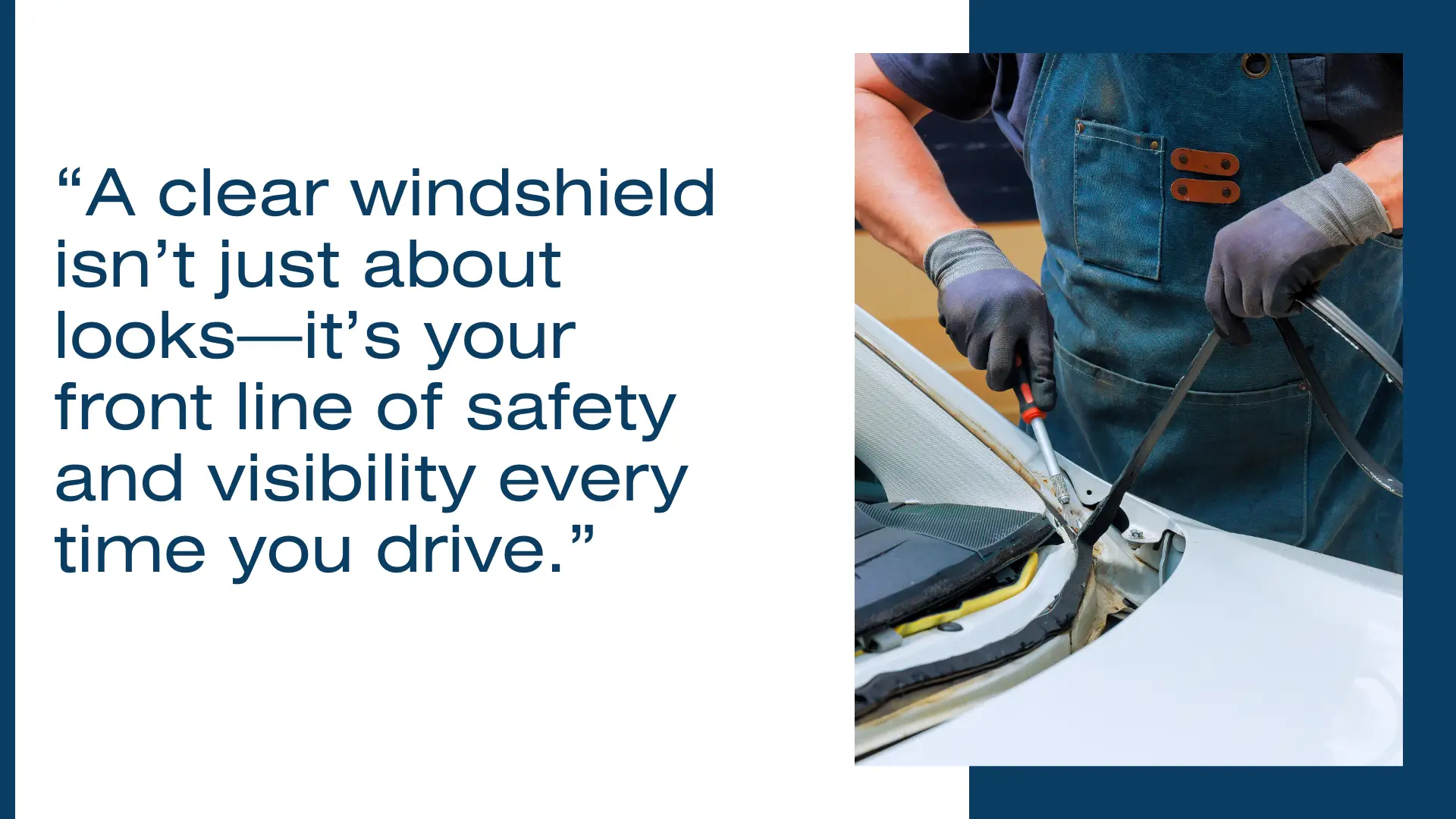
A clear windshield isn’t just about looks—it’s your front line of safety and visibility every time you drive.
Auto glass damage comes in many shapes and sizes, each bringing a unique risk to you and your vehicle:
- Chips: Small “bullseye,” “star,” or combo shapes (usually under 1 inch), caused by stones and road debris.
- Cracks: Line-like splits, up to 6 inches if repairable, often starting from stress points or edges.
- Shattering: Sudden, total breakage of tempered glass from severe impact or temperature swings.
- Surface scratches: Light marks reducing clarity, but rarely affecting structural strength.
No damage is too small to ignore—especially in today’s unpredictable weather.
Why and Where Auto Glass Damage Happens
Picture this: You’re driving behind a truck when a pebble launches at your windshield, creating a spider-webbed chip in seconds.
Common causes include:
- Debris impact: Rocks, gravel, or sharp objects on highways.
- Temperature stress: Heat or freezing can expand tiny cracks without warning.
- Accidents: Even minor collisions can crack or shatter side and rear glass.
- Poor installation: Weak seals or incorrect fit leave glass vulnerable to breakage.
Edge cracks, which start near the window frame, spread up to 80% faster—especially during heatwaves or cold snaps.
Damage Spread and Risks: What’s at Stake?
Here’s a fact: 80% of untreated chips and cracks will get worse, often within weeks, and extreme temperatures make matters worse.
Unchecked damage can:
- Weaken your car’s structural integrity, risking collapse in a rollover.
- Compromise airbag deployment, since airbags rely on a solid windshield to function safely.
- Reduce visibility, making even a short drive dangerous, especially at night or in rain.
- Interfere with sensors (like ADAS or rain detection), increasing accident risk.
Every small crack or chip is a safety alert—not an eyesore.
Why Professional, Timely Assessment Matters
“Fast action today keeps you safe tomorrow.”
Trust a certified technician—not just for repairs, but for an expert assessment to decide if your glass is safe to restore or needs replacing.
Immediate steps for all drivers:
- Inspect glass regularly—especially after storms, construction, or temperature swings.
- Address chips or cracks as soon as they appear, not just at annual inspections.
- Avoid DIY on critical damage— professional repairs restore up to 90% of original strength using 2026-grade nano-resins.
Timely, professional assessment protects your investment, keeps your insurance valid, and most importantly, ensures you and your passengers drive with clear vision and full peace of mind.
Repair vs. Replacement: Making the Right Choice for Safety and Value
Know When Repair Is Safe—and When It’s Not
Making the right decision between repair and replacement hinges on safety, precise damage assessment, and industry standards.
Here’s how professionals determine what can be fixed and what must be replaced:
- Repairable damage:
- Chips smaller than 1 inch (about the size of a quarter)
- Cracks under 6 inches—sometimes up to 12 inches if single, shallow, and away from glass edges
- No intrusion into ADAS sensor zones or driver’s direct field of vision
- Damage well away from glass edges, which prevents spreading
- Mandatory replacement triggers:
- Cracks longer than 6 inches or those touching the glass edge
- Any chip/crack within an inch of the frame (edge cracks spread quickly)
- Damage interfering with safety tech (ADAS, rain sensors) or directly in the driver’s line of sight
- Shattered, pitted, or heavily scratched glass
Glass Types Matter: Laminated vs. Tempered
Windshields are typically laminated, making them repair-friendly for minor damage.
Side and rear windows use tempered glass; once cracked or shattered, they cannot be repaired and always require full replacement.
A real-world scenario: a bullseye chip in your windshield’s lower corner is often fixable, while a star-pattern crack spreading from the edge means a total replacement.
Checklist for a Confident Decision
Use this quick reference before scheduling service:
- Is your chip or crack under 1 inch/6 inches and not at the edge?
→ Likely repairable
- Is the damage in the field of vision, near sensors, or on tempered glass?
→ Requires replacement
- Has the damage been present for more than a week or seen rapid temperature changes?
→ Increased risk of spreading—act immediately
Why Standards and Speed Matter
Certified technicians follow AGSC/ROLAGS standards for every assessment, using their experience to ensure structural integrity and safety compliance.
Statistic: 80% of untreated chips and cracks will worsen—especially with extreme weather or vibration.
Prompt, professional action safeguards you, keeps your insurance valid, and protects your vehicle’s resale value.
Think of this as “Clear vision, safe driving”—small issues today can become hazards tomorrow if ignored.
Key takeaway: Don’t gamble with your safety or your wallet—professional evaluation and action are the fastest path to clarity, confidence, and compliance.
Professional Auto Glass Repair Methods and Best Practices (2026)
Professional auto glass repair in 2026offers exceptional results, safety, and clarity—but only when the right steps and modern materials are used.
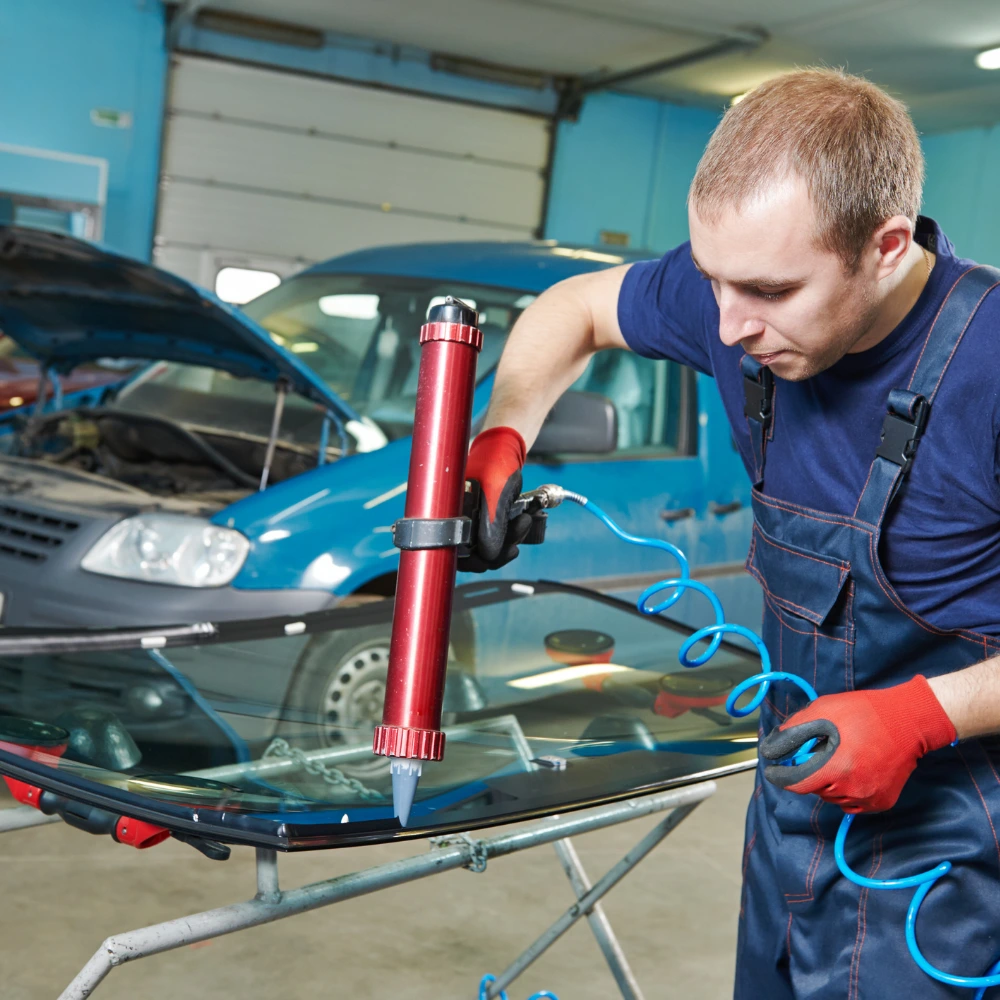
Picture this: A trained technician cleans the glass, preps the surface, and inspects every crack or chip for hidden risks.
The Step-by-Step Repair Process
Expect a highly disciplined process that restores up to 90% of the original glass strength:
- Clean and prep: All dirt and debris are removed for optimal resin bonding.
- Drill (if needed): A tiny access point may be created to let trapped air escape.
- Resin injection: Technicians use clear nano-resins and vacuum/pressure tools to fill cracks and chips.
- Cure: A rapid UV or thermal lamp hardens the resin in just 30–60 minutes.
- Polish and inspect: The area is finished and clarity is verified for like-new visibility.
2026Materials and Standards
The latest industry practices focus on ultra-clear nano-resins and eco-friendly adhesives for sustainability and performance.
Repairs should always comply with:
- AGSC / ANSI / ROLAGS certification requirements
- Best-in-class safety and code protocols
- Only certified specialists working with advanced equipment
A professional repair is not just about appearance—proper technique is critical for structural integrity and sensor function.
DIY Kits vs. Professional Repairs
DIY kits may seem tempting for minor chips or cracks, but they have limits:
- Home kits are best for superficial surface chips less than 1 inch away from critical zones.
- Most lack vacuum injection or professional-grade resin strength—risking further damage.
- Improper use can lead to spreading cracks and failed insurance claims.
If your windshield has edge cracks, is near ADAS sensors, or shows complex star/combination chips, call a pro immediately.
Temporary Repairs and Expert Tips
Stuck on the road? Windshield patches act like adhesive bandages—but only buy you time, not restored safety.
- Temporary fixes are not long-term solutions and won’t pass inspection by certified technicians.
- In 80% of untreated cases, damage spreads—especially in hot/cold swings.
Maximize outcomes by:
- Seeking prompt assessment even for small damage
- Insisting on AGSC-certified repair or service
- Documenting repairs for insurance support
At Discount Auto Glass, transparency, quality craftsmanship, and long-term safety always come first—the difference between a quick fix and a lasting solution.
The most actionable takeaway: Trust only certified professionals using 2026-compliant materials and processes. You protect your car’s value, your safety, and the crystal-clear vision that defines every confident drive.
Complete Auto Glass Replacement: Step-by-Step Framework
Replacing auto glass is about more than a “quick fix”—it’s about restoring your vehicle’s clarity, safety, and peace of mind.
The process uses advanced materials and professional standards to deliver top-tier results every time.
Imagine your new windshield, perfectly fitted, with technology recalibrated and sparkling clear—ready for the road ahead.
1. Choosing the Right Glass: OEM, OEE, or Aftermarket
Selecting the correct glass ensures both safety and compliance.
- OEM (Original Equipment Manufacturer): Matches your car’s original glass for fit, durability, and clarity.
- OEE (Original Equipment Equivalent): Meets similar standards as OEM but may vary slightly in fit or finish.
- Aftermarket: Budget-friendly, but quality and compatibility may differ.
Professional technicians review your vehicle’s specs and needs before recommending the best option.
Shareable tip: “Fit and clarity matter—never compromise on glass quality for a lower price.”
2. Safe Removal and Preparation
Precision and safety are everything.
- Careful removal preserves paint and interior trim.
- Frame cleaning and inspection catch hidden rust or debris that could impact the new install.
- AGSC-approved adhesives are selected for lasting strength (average curing: 1-2 hours).
Fleet vehicles and luxury cars may require extra prep for sensors and electronics.
3. Installation and Advanced System Integration
With your vehicle ready, certified pros:
- Place the glass with exact fitment
- Apply professional-level adhesives for secure, watertight installation
- Reinstall cameras, sensors, and trim for flawless finish
Every install includes leak checks and a post-installation inspection—no corners cut.
4. ADAS Recalibration & High-Tech Features
Modern cars depend on Advanced Driver Assistance Systems (ADAS)—essential safety tech.
- After replacement, recalibration ensures features like lane-keep assist work accurately (cost: up to $1,000+ for luxury models).
- Sunroofs and smart glass require extra attention for electronics and safety layers.
A professional shop always includes these steps in their service.
5. Final Inspection, Costs, and Customer Peace of Mind
Expect transparent pricing—windshield replacement ranges from $250–$500 (standard) to $1,000+ for high-tech models.
- Thorough final inspections verify safety, clarity, and perfect sensor alignment.
- Comprehensive warranties underscore the shop’s commitment to your satisfaction.
- Responsive, professional communication keeps you in the loop from start to finish.
Quotable: “Your safety rides on professional attention to detail—never settle for less.”
The best auto glass companies blend advanced technique, certified training, and genuine care into results that last. The difference shows from the first call to the final handshake: Clear vision. Safe driving.
Innovations and Trends in Auto Glass Service for 2026
Cutting-Edge Advances in Materials and Repairs
Auto glass in 2026 is all about efficiency, sustainability, and precision—changing how drivers experience safety and service.
Picture this: A tiny chip on your windshield is repaired with nano-resin technology that restores up to 90% of the glass’s original strength, and it’s fully cured in just 30-60 minutes.
Leading providers now use:
- Eco-adhesives that reduce environmental impact without sacrificing durability
- Smart and connected glass with built-in sensors, heating elements, or even tint control
- Enhanced safety layers to increase impact resistance for both standard and luxury vehicles
“Restore nearly new strength fast—nano-resins are now the gold standard for safety and speed.”
Technology-Driven Diagnostics and Faster Turnarounds
Service speed and accuracy are powered by AI diagnostics and remote assessment tools.
Imagine snapping a photo of a crack and instantly receiving a professional risk assessment and price range—no waiting room required.
- AI algorithms detect damage severity, location, and recommend solutions within seconds
- Remote consultations now guide you through initial steps before a technician even arrives
Faster, smarter, and safer: “AI in auto glass means more time on the road, less time in the shop.”
The Critical Role of ADAS and Integration Trends
With Advanced Driver-Assistance Systems (ADAS) in nearly 80% of new vehicles, auto glass has become a high-tech safety feature—not just a window.
Repairs and replacements often require:
- Mandatory ADAS recalibration at $250–$1,000+, ensuring sensors work perfectly after glass installation
- Special handling for rain sensors, heads-up displays, and heated windshields
Failing to recalibrate can lead to up to 60%–80% higher risk of airbag or sensor malfunction—making qualified, certified technicians essential.
Evolving Standards, Customer Focus, and Sustainable Solutions
Professional standards are getting a 2026 upgrade:
- AGSC/ANSI/ROLAGS certification is non-negotiable for providers focused on reliability
- Training and compliance with new regulations ensure every job meets—or beats—legal and safety minimums
Customers see the impact in:
- Transparent service: Upfront quoting, crystal-clear warranties, honest timeframes
- Warranty-backed guarantees and strong customer education initiatives
- Real-world cases: Fleet operators now get instant digital repair reports and mobile scheduling in a few clicks
“Trust built on transparency isn’t just a buzzword—it’s the new industry baseline.”
Key Takeaway
This year, successful auto glass service means more than just repairs—it’s about high-tech solutions, greener materials, and smart customer care that put your safety first, every time. When your glass needs attention, look for advanced materials, certified expertise, and a commitment to clear, honest service: that’s what keeps both your vision and your drive safe.
Costs and Insurance: Navigating Pricing, Coverage, and Value
Getting your auto glass professionally repaired or replaced in 2026 means understanding what you’re paying for—and why. Typical costs range from $50–$150 for chip and crack repairs, $250–$500 for most standard windshield replacements, and $1,000 or more when ADAS (advanced driver-assistance systems) recalibration is needed.
Picture this: you notice a spider crack on your windshield Thursday morning, but a quick check with a certified provider gets you a transparent quote and a same-day fix that restores 90% original strength using advanced nano-resins.
Typical Price Ranges (2026) at a Glance
| Service | Standard Cars | Luxury/ADAS Included |
|---|---|---|
| Chip/Crack Repair | $50–$150 | $100–$200 |
| Windshield Replacement | $250–$500 | $1,000–$1,500+ |
| Side/Rear Window Replacement | $200–$350 | $350–$600+ |
| Mobile Service/Add-Ons | +$25–$75 | +$50–$150 |
Nearly all reputable shops will provide:
- Upfront quotes—no surprises when it’s time to pay
- Warranty details—covering glass and installation
- Clear service guarantees—putting safety and transparency first
Insurance Coverage Essentials
For many drivers, comprehensive coverage pays for glass repairs or replacement (minus your deductible). In most regions, insurance claims for glass don’t impact premiums, but always confirm with your provider.
Be ready for:
- Quick approval—many repairs are pre-authorized or done virtually
- Choice of repair/replacement provider—pick based on certifications and real reviews
- Direct billing—many shops handle insurance paperwork for you
Cost-Saving Without Risking Safety
Don’t reduce safety to save on price. Instead, look for:
- Mobile repairs—added convenience, often with minimal extra cost
- Extended glass warranties—ensures peace of mind if damage recurs
- Value-focused providers—prioritize transparency, certified technicians, and trusted customer service
Shareable tip: “The right glass fix protects not just your view, but your vehicle’s safety systems—choose certified service, not just the lowest cost.”
By staying informed about pricing, insurance, and trustworthy providers, you can choose safety and value—not sacrifice. Clear vision and safe driving are always worth the investment.
Safety, Standards, and Legal Considerations
When it comes to auto glass repair and replacement, safety isn’t negotiable—it’s the foundation of every decision you make.
A single crack or improperly installed windshield can:
- Compromise airbag deployment (up to 80% increased failure risk)
- Weaken your vehicle’s structural integrity (especially during rollovers)
- Cause ADAS sensors or rain sensors to malfunction, impacting everything from lane assist to emergency braking
“Picture this: a windshield chip ignored, spreading across your line of sight as seasons change—suddenly, what was safe is now a hazard for you and everyone on the road.”
Certified Standards & Safety Laws
Industry leadership is defined by strict adherence to AGSC, ANSI, and ROLAGS standards.
Choosing a shop that follows these certifications means:
- Repairs use 2026 nano-resins and eco-adhesives that fully cure in 30–60 minutes
- Replacement and recalibration procedures protect ADAS functions, vision zones, and legal compliance
- Technicians assess against strict criteria: central cracks/cracks under 6 inches may be repaired, but edge and sensor damage always require professional replacement
Across the US, specific state laws may require immediate repair or replacement for any glass damage in the driver’s field of view or in critical safety zones.
Choosing Qualified Technicians & Managing Documentation
To protect yourself (and your warranty), insist on:
- Working only with AGSC-certified technicians whose credentials are transparent and current
- Getting clear, written documentation: required for both insurance claims and meeting legal obligations in most states
- Asking providers to explain the step-by-step process and show up-to-date certifications and warranty details
Every reputable auto glass business should offer transparent pricing, clear service records, and straightforward insurance reporting.
High-Trust Service: Beyond Minimum Standards
Discount Auto Glass goes above and beyond required regulations—performing every job with meticulous attention to detail.
- Only certified professionals handle repair and installation
- Workmanship consistently exceeds industry standards for safety and reliability
- Your documentation is always prepared for insurance or legal requests
“A clear windshield is more than just a view of the road—it’s your front line of safety.”
For peace of mind, always prioritize certified skills, transparent documentation, and proven safety standards. Your choice today protects everyone in your vehicle tomorrow.
Maintenance Tips for Long-Lasting, Safe Auto Glass
Keeping your vehicle’s auto glass in top condition is about more than looking good—it’s vital for safety, visibility, and long-term value.
Use the right cleaning methods and proactive care to avoid unexpected repairs and drive with confidence every day. Picture this: A windshield so clear it’s almost invisible, because you stayed one step ahead.
Clean and Inspect Regularly
Routine glass maintenance starts with
ammonia-free cleaners and a quality microfiber cloth.
Why ammonia-free? Standard glass cleaners can break down window tint and dry out seals. For maximum clarity and safety, clean inside and out every two weeks.
- Clean wipers and replace when streaking
- Inspect for chips or tiny cracks after road trips
- Check sensors and camera zones if your car has ADAS or rain-sensing wipers
Shield Against Debris and the Elements
Prevent damage before it starts by thinking ahead when you park and drive.
Auto glass is designed to be tough, but 80% of unaddressed chips will spread, especially in temperature swings.
- Park under cover during hail or extreme heat
- Use a windshield sunshade in summer, de-icer sprays in winter
- Avoid following gravel trucks or construction vehicles closely
In 2026, durability is up as manufacturers use laminated safety glass in more models—but even advanced glass needs protection against hazards.
Seasonal & Tech-Specific Strategies
Modern vehicles now feature more ADAS technology and sophisticated sensors than ever.
These need extra attention:
- Keep ADAS sensor areas spotless; even minor smudges can trigger warnings
- Never cover rain sensors or camera lenses with stickers or unnecessary accessories
- Inspect sealant and glass edges for wear before seasonal temperature shifts
Watching for changes after storms or freeze-thaw cycles is a top trend for 2026, helping to catch minor damage before it means a full replacement.
Prioritize Professional Checkups
Busy schedule? Set a calendar reminder for an annual professional inspection—often free with top providers.
- Even the smallest star-shaped chip can be professionally stabilized for $50–$150 if caught early
- Prompt repair prevents up to 90% of cracks from growing according to 2026data
“A five-minute check now can save you hours and hundreds later.”
Visual: Technician holding a clear, polished glass against a summer sky—emphasizing peace of mind.
Staying proactive about auto glass means clear vision, safe driving, and less worry—whatever the road brings.
Keep maintenance simple, stay alert to small issues, and trust your safety to professionals when it matters most.
Choosing the Right Auto Glass Service Provider
Picture this: You need to fix a cracked windshield before your next commute, but you want peace of mind knowing the job is done right and your safety is guaranteed. The difference between a solid fix and a safety hazard often comes down to who you trust with your vehicle.
What to Look for in a Provider
Before booking, scan for these essential criteria:
- Certifications: Ensure the company is AGSC-registered and technicians hold current training credentials.
- Warranty Coverage: Look for clear warranty terms—reputable providers offer at least six months to a lifetime on workmanship and materials.
- Transparency: Demand upfront quotes, documented processes, and written guarantees. “No surprises” is the golden rule.
- Customer Reviews: Seek out real-world feedback on safety, service speed, and reliability.
- Professionalism: Friendly, clear communication and a visible emphasis on safety.
“Choosing AGSC-certified technicians isn’t just smart—it’s a safety requirement for today’s advanced vehicles.”
Comparing Quotes and Service Commitments
Avoid costly missteps by evaluating more than just price:
- Request detailed quotes that show parts, labor, calibration, and add-on charges.
- Ask about ADAS recalibration capabilities—vital for modern cars with advanced sensors.
- Check for mobile service options (add $25–$75 usually), so you stay safe and on schedule.
- Clarify typical repair timelines: Expect 30–60 minutes for chip repair, up to 3 hours for replacement plus extra for calibration.
“If you can’t find transparent pricing or thorough explanations, it’s time to move on.”
Building Long-Term Safety and Trust
Choosing a provider shouldn’t feel like a one-off decision:
- Forge a relationship with companies prioritizing long-term vehicle safety and customer follow-up.
- Consistent service builds trust—look for brands that check in after repairs and welcome feedback.
- Reliable partners will help you stay current on maintenance, inspections, and insurance paperwork.
- Picture a clean, crisp workshop with technicians explaining each step; this is the clarity you deserve.
Great service starts with the right choice: Integrity and clear communication protect more than your auto glass—they protect you and everyone on the road. Remember, “Clear Vision, Safe Driving” is more than a tagline—it’s your standard for every glass repair.
FAQ
-
What is Auto Glass Repair and Replacement?
Auto glass repair and replacement is the process of fixing or replacing damaged glass on your vehicle. It’s an essential service for ensuring your car’s safety, visibility, and structural integrity. Chips and cracks that go untreated can worsen over time, making repairs or full replacements necessary to maintain your car’s value and ensure proper functioning of advanced safety systems. -
How do I know if I need Auto Glass Repair or Replacement?
If your windshield has a chip or crack under 1 inch in size, it may be repairable. However, cracks at the edges, those affecting ADAS (Advanced Driver Assistance Systems) sensors, or any total breakage always require full replacement. The best way to determine this is by having a certified technician perform an assessment. -
Does Auto Glass Repair affect my car’s safety?
Yes, auto glass repair and replacement are critical for maintaining the safety of your vehicle. Cracks and chips can compromise the strength of the glass, potentially affecting the car’s structural integrity in the event of an accident. Certified technicians use advanced materials to restore up to 90% of the glass strength, ensuring your safety. -
Can I claim Auto Glass Repair on my insurance?
Many insurance companies offer full coverage for auto glass repair and replacement under comprehensive coverage. Typically, this will not increase your premiums, but it’s important to select a certified service provider to maintain coverage and avoid issues with claims. -
How much does Auto Glass Repair and Replacement cost?
The cost of auto glass repair or replacement varies based on the damage and the type of vehicle. On average, repairs cost less than replacements. However, some providers offer transparent pricing and warranties, ensuring you know the cost upfront.
Conclusion
Safeguarding your vehicle’s auto glass is about more than clear sight—it’s the foundation of safety, confidence, and long-term value every time you get behind the wheel. Choosing professionalism and prioritizing timely, expert care ensures not just a flawless view, but true protection for you and your passengers.
Every action you take now can prevent bigger risks later. Whether you’re addressing a small chip or planning a full replacement, the right steps keep your drive smooth and your investment secure.
—
Key Takeaways
- Act fast on any glass damage—prompt repair boosts safety and stops issues from spreading.
- Choose only AGSC-certified professionals using advanced, 2026-compliant materials.
- Insist on transparency—demand upfront quotes, documented processes, and clear warranties.
- Regularly inspect and clean your auto glass, watching for changes after storms or temperature swings.
- Prioritize safety and standards over cost savings—never sacrifice quality for a lower price.
—
Next Steps
- Schedule a quick inspection if you notice any chip or crack—the sooner you act, the stronger your outcome.
- Verify your chosen provider’s certifications, and ask about calibration for ADAS and smart features.
- Set reminders for routine glass maintenance, and educate those in your fleet or family about damage prevention.
—
Driving with clarity means driving with confidence. Choose the service and expertise that put your safety first—because when your vision is clear, every journey is safer.
“Clear Vision, Safe Driving”—make this your standard every mile of the way.
Thank you for choosing Discount Auto Glass. Fast, reliable service with a lifetime guarantee. Visit us or enjoy our mobile service.